


Updated: September 2026
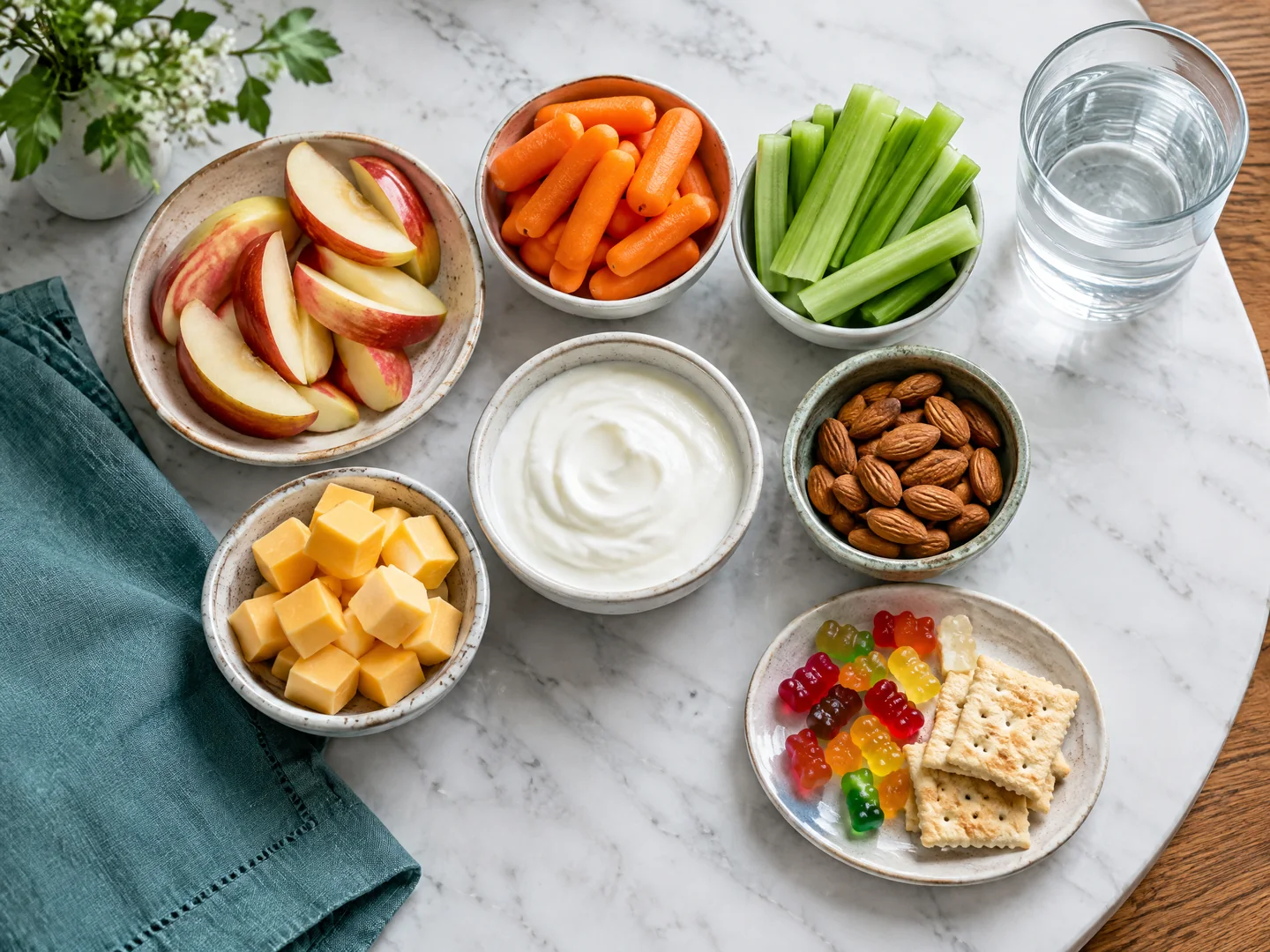
What you eat does not replace brushing, cleaning between your teeth, fluoride, or professional dental care. However, your everyday food and drink choices can support healthy teeth and gums. The best choices are water, unsweetened dairy, vegetables, whole fruit, plain nuts and seeds, lean proteins, beans, and whole grains. Limit added sugars, sweetened drinks, sticky snacks, and frequent acidic drinks or grazing.
The reason is simple: bacteria in plaque use sugars to produce acids that can demineralize enamel, while frequent acid exposure can contribute to tooth wear. A varied, nutrient-rich diet helps support your mouth, but no single food can prevent every cavity or gum problem.[1] [2]
If you are looking for a dentist in Garden City, MI, food choices are one part of a bigger prevention plan. Brushing twice a day with fluoride toothpaste, cleaning between your teeth daily, and attending a dental visit on the schedule recommended for you remain essential.[3]
What makes a food “tooth-friendly”?
A tooth-friendly choice is usually low in added sugar and fits into a balanced meal or snack. It may also provide protein, calcium, phosphorus, vitamins, or fiber. Water helps rinse away food debris and dilute acids. Eating at meals can be kinder to teeth than nibbling or sipping sugary products repeatedly throughout the day because meal-time saliva flow helps clear the mouth.[2]
This does not mean you must eliminate fruit, carbohydrates, or every dessert. Whole foods can contain natural sugars and still be nutritious. The more useful questions are: Is sugar added? How often will the teeth be exposed? Is the food sticky or acidic? Can I choose water with it?
Best foods for healthy teeth
1. Water, especially fluoridated water
Water is the most reliable everyday drink for your teeth. It contains no sugar, helps wash away loose food particles, and can reduce the effects of acids. If your drinking water contains an appropriate level of fluoride, it also helps protect enamel throughout the day.[2] [3]
Choose still water most often. Check flavored waters, sports drinks, energy drinks, sweet tea, soda, and juice drinks for sugar or acidity. If you have an acidic beverage, avoid sipping it continuously; drink it with a meal and choose water afterward.
2. Plain milk, yogurt, and cheese
Unsweetened dairy foods provide nutrients such as calcium and protein. Plain yogurt and milk can fit a mouth-healthy pattern, while cheese is a convenient lower-sugar snack. ADA guidance notes that cheese and peanuts may help counter an acid challenge, but they do not cancel frequent sugar exposure or replace oral hygiene.[1] [2] Choose plain yogurt or unsweetened fortified alternatives when possible.
3. Crunchy and colorful vegetables
Carrots, celery, bell peppers, cucumbers, broccoli, and leafy greens add fiber and nutrients without the added sugar found in many packaged snacks. Chewing may stimulate saliva, but vegetables do not “scrub” teeth clean or remove plaque and tartar; brushing, interdental cleaning, and professional care do that.[1] [3] Try sliced vegetables with hummus or cooked greens in a meal, choosing textures that are comfortable for you.
4. Whole fruit rather than juice
Apples, pears, berries, oranges, and other whole fruits provide fiber and nutrients. Whole fruit is generally a better dental choice than juice because it takes longer to eat and is not sipped repeatedly. Fruit is not “bad for teeth,” but it contains natural sugar, and citrus is acidic.[1] [2]
Eat fruit with a meal or snack instead of grazing all day, and rinse with water afterward. Do not brush immediately after vomiting or strong acid exposure; ask your dental team how to protect enamel if reflux or frequent vomiting is a concern.
Dried fruit deserves more caution. Removing water concentrates sugar, and the sticky texture can cling to tooth surfaces. Choose fresh or frozen fruit more often, and if you eat dried fruit, have it with a meal rather than carrying it as an all-day snack.
5. Plain nuts, seeds, beans, and other proteins
Unsweetened almonds, walnuts, peanuts, seeds, beans, lentils, eggs, poultry, fish, tofu, and other proteins can make meals satisfying without much sugar. Plain nuts are not a cavity treatment, but they are often more tooth-friendly than candy or sugary bars. Choose textures that are safe for your dental work, and check nut butters for added sugar.
6. Whole grains with meals
Oatmeal, brown rice, quinoa, whole-grain bread, and other minimally sweetened grains can be part of a balanced meal. Starchy foods may contribute to plaque acid when eaten frequently, especially when sticky or refined, so pair them with protein, vegetables, or dairy. For children, a whole-grain sandwich, cheese, vegetables, and water is generally more tooth-friendly than sweet drinks and packaged treats. The American Academy of Pediatric Dentistry supports nutrient-dense foods, fluoridated water, unsweetened snacks, and reduced added-sugar exposure.[7]
What to limit for a healthier smile
Added-sugar foods and drinks
Plaque bacteria use sugars to produce acids that attack enamel. Common sources include soda, sports and energy drinks, sweet tea, candy, cookies, pastries, sweetened cereal, flavored milk, desserts, and many packaged snacks.[1] [2]
You do not have to treat one birthday dessert as a dental emergency. A more helpful goal is to reduce how often teeth are exposed to added sugar. Serve sweet foods with a meal rather than as repeated snacks, avoid keeping a sugary drink beside you for hours, and use water between meals.
Frequent snacking and sipping
The pattern matters as well as the portion. Repeated exposures give saliva less time to restore a more neutral environment. Instead of grazing from morning to night, plan regular meals and, if needed, a modest snack. Water is the simplest choice between eating occasions.[1] [2]
Sugar-free gum with the ADA Seal of Acceptance may help stimulate saliva for some adults who can chew gum safely. It is not appropriate for everyone, and it is not a substitute for brushing or cleaning between teeth.
Sticky foods and refined starches
Caramel, gummies, fruit snacks, taffy, chewy granola bars, and dried fruit can remain on or between teeth. Crackers, chips, and other refined starches may also cling in grooves or between teeth. If you choose them, have them with a meal, drink water, and clean your teeth as part of your normal routine.
Acidic foods and beverages
Citrus, vinegar-based products, soda, sports drinks, energy drinks, and some flavored waters can be acidic. Frequent exposure is associated with erosive tooth wear, which is different from a cavity but can also make teeth sensitive or change their shape over time.[1] [2]
You do not need to remove every acidic food from a balanced diet. Limit prolonged sipping and rinse with water. Ask a dentist about ongoing sensitivity, visible wear, or pain rather than diagnosing the cause at home.
A practical tooth-friendly day
A sample pattern might look like this:
- Breakfast: Plain yogurt with oats and berries, plus water.
- Lunch: A bean or chicken whole-grain bowl with leafy greens and vegetables, plus water.
- Snack: Cheese, plain nuts, or sliced vegetables instead of a sticky sweet.
- Dinner: Protein, cooked vegetables, and a whole grain, followed by water.
- Dessert: If you choose one, enjoy a reasonable portion with the meal rather than sipping or grazing on sweets all evening.
This is an example, not a prescription. Allergies, budget, medications, chewing ability, and medical conditions matter. A physician or registered dietitian can help with an overall eating plan; a dental professional can tailor advice to cavity risk, gum health, dry mouth, braces, crowns, dentures, or implants.
Special considerations for pregnancy and diabetes
Pregnancy: food and dental care work together
Pregnancy can change appetite, reflux, vomiting, and gum sensitivity. ACOG recommends discussing oral health during pregnancy, limiting sugary foods and drinks, brushing twice daily with fluoridated toothpaste, cleaning between teeth daily, and maintaining regular dental care.[6] Prevention, diagnosis, and treatment can be provided during pregnancy when clinically appropriate; do not delay a painful problem simply because you are pregnant.
If vomiting or reflux is frequent, ask your obstetric clinician and dentist how to protect your teeth. ACOG discusses rinsing with a baking-soda solution in this context, but pregnancy care should be individualized. This article is educational and does not replace your obstetric or dental team’s instructions. If you are seeking pregnancy dental care in Garden City, tell the dental office that you are pregnant, how far along you are, and which medicines or supplements you take.
Diabetes: coordinate food, medical, and dental guidance
People with diabetes may have higher risk for gum disease, cavities, dry mouth, and slower healing, particularly when blood glucose is outside the person’s target range. The CDC and NIDDK recommend regular dental visits and communication between medical and dental teams.[4] [5]
Do not use this article to create a diabetes meal plan or change medication. Follow the plan made with your physician or registered dietitian. Tell your dentist about diabetes, medicines, and health changes. Call a dental professional for red, swollen, or bleeding gums, loose teeth, dry mouth, or persistent bad breath.[4] [5] This is general education, not individualized medical advice.

Food choices are one part of prevention
A balanced diet helps, but plaque still needs daily removal. Brush twice a day with fluoride toothpaste, clean between your teeth daily, and keep a regular preventive dental visit. A professional cleaning and exam can remove plaque and tartar that home care cannot fully remove and identify concerns early.[3]
Garden City Family Dentistry’s professional dental cleaning and exam page explains how a visit may include an exam, plaque and tartar removal, polishing, fluoride when appropriate, and personalized home-care guidance. You can also learn about preventive dentistry in Garden City.
Frequently asked questions
What are the best foods for healthy teeth?
Water, unsweetened dairy, vegetables, whole fruit, plain nuts and seeds, beans, lean proteins, and whole grains are practical choices. The overall pattern matters more than one “superfood.” Keep added sugar and frequent snacking modest, and continue fluoride toothpaste and daily interdental cleaning.
Is fruit bad for your teeth?
No. Whole fruit can be part of a healthy diet. It contains natural sugar, and some fruit is acidic, so eat it with a meal or planned snack rather than grazing continuously. Choose whole fruit more often than juice, and drink water afterward.[1] [2]
Is cheese good for your teeth?
Cheese is usually a convenient, low-sugar snack and may help counter an acid challenge. It does not remove plaque, reverse a cavity, or make frequent sugary foods harmless. Choose portions and textures that fit your health and dental needs.
What should I limit to prevent cavities?
Limit added-sugar drinks and foods, sticky candy and dried fruit, and frequent sipping or snacking. You do not need to ban every carbohydrate or whole food. Timing foods with meals and choosing water between meals can reduce repeated acid and sugar exposures.
What should I do about my teeth after vomiting during pregnancy?
Rinse and ask your obstetric clinician and dentist for advice suited to your symptoms. ACOG discusses a baking-soda rinse for acid from vomiting or reflux, but do not treat this article as a personal pregnancy-care plan.[6] Seek prompt care for severe pain, swelling, bleeding that will not stop, or another urgent dental concern.
Does diabetes mean I need a special dental diet?
Diabetes management is individualized. Follow your medical team’s or registered dietitian’s meal plan, choose foods that fit that plan, and tell your dentist about diabetes and medicines. Keep regular dental visits, and call if you notice bleeding or swollen gums, loose teeth, dry mouth, or persistent bad breath.[4] [5]
Ready to make prevention practical?
If you want guidance that considers your food habits, cavity history, gums, restorations, or dry mouth, schedule a dental cleaning and exam with Garden City Family Dentistry. The practice is at 7110 Venoy Road, Garden City, MI 48135. Call (734) 522-6340 or contact Garden City Family Dentistry to ask about an appointment. The practice serves Garden City, Westland, Dearborn Heights, Livonia, Canton, and Metro Detroit.