

Reduce inflammation
Remove bacteria and tartar that contribute to swollen, red, or bleeding gums.
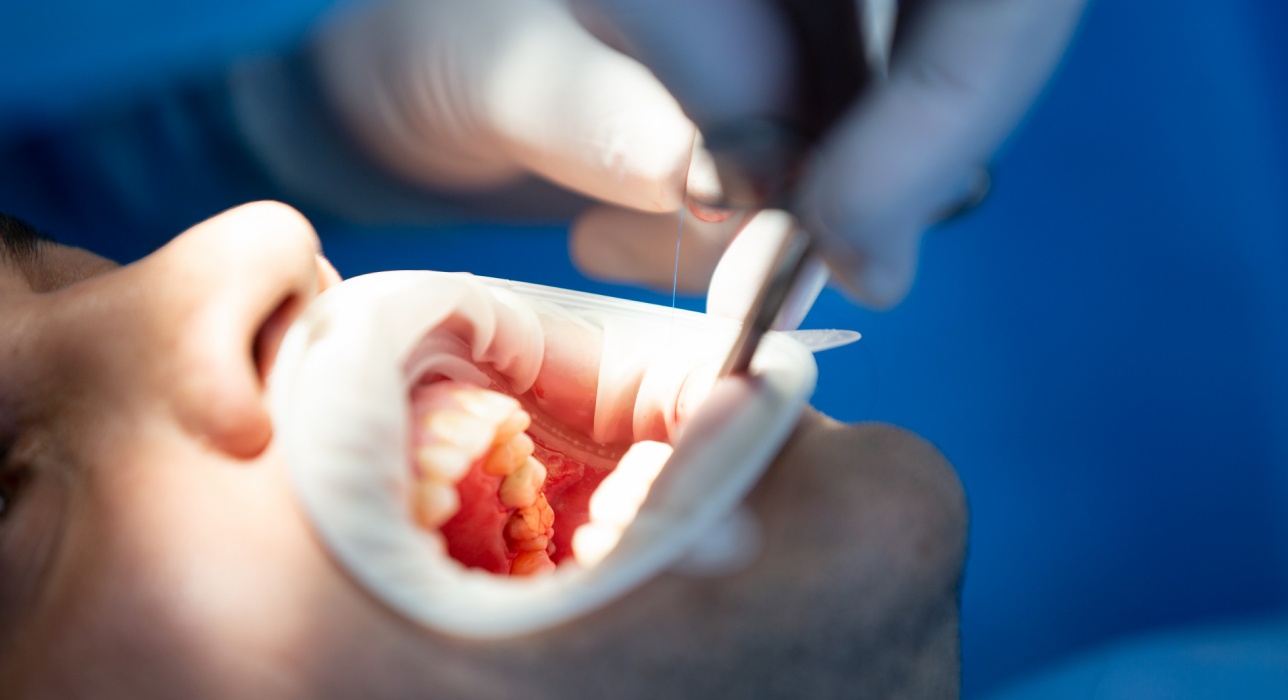
Non-surgical periodontal care that removes plaque and tartar above and below the gumline and smooths tooth roots to support healthier gums.
Medically reviewed by Dr. Reich and Dr. Laing · Garden City Family Dentistry · Last updated September 16, 2026 · Educational purposes only.
Scaling and root planing is a non-surgical periodontal procedure that cleans teeth and roots thoroughly. Scaling removes plaque and tartar from tooth surfaces and below the gumline. Root planing smooths rough root surfaces so gum tissue can heal and reattach more effectively. The appropriate treatment depends on gum-pocket measurements, inflammation, bleeding, X-rays, and your overall oral health.
Bleeding gums, persistent bad breath, deep gum pockets, and inflammation can be signs that routine brushing and flossing are not enough. A periodontal evaluation helps identify the extent of buildup and the care needed to reduce harmful bacteria and support the tissues around your teeth.
Plan Your VisitScaling and root planing can be part of a broader periodontal plan that includes home care, antimicrobial guidance, regular maintenance, and follow-up measurements.
Remove bacteria and tartar that contribute to swollen, red, or bleeding gums.
Treat periodontal buildup before it causes more damage to supporting tissues.
Support the gums and bone that help hold natural teeth in place.
Reducing harmful buildup may improve persistent odor linked to gum disease.
The right approach depends on your oral health, symptoms, risk factors, goals, and the findings of your evaluation.

Remove bacteria and tartar that contribute to swollen, red, or bleeding gums.

Treat periodontal buildup before it causes more damage to supporting tissues.

Support the gums and bone that help hold natural teeth in place.
The page identifies patients with early gum disease, deep gum pockets, bleeding gums, bad breath, or higher risk due to smoking, diabetes, or family history. Your dental team will evaluate gum health and recommend the appropriate level of periodontal care.
Your dental team will explain findings, alternatives, and recommended timing before treatment.
The correct service depends on gum-pocket depth, bleeding, tartar location, bone support, symptoms, and periodontal history.
| Option or step | What it means | What to understand |
|---|---|---|
| Routine cleaning | Preventive removal of plaque and tartar for stable gum health. | May not address deep pockets or buildup below the gumline. |
| Scaling and root planing | Removes subgingival tartar and smooths tooth roots. | Often planned by areas or visits based on periodontal findings. |
| Periodontal maintenance | Ongoing care after periodontal treatment. | Helps monitor gum health and manage recurring buildup. |
| Specialist referral | Additional evaluation for complex or advanced periodontal disease. | May be recommended based on pocketing, bone loss, or response to treatment. |
The page describes gum-pocket evaluation, digital periodontal probing and X-rays, scaling, root planing, and personalized follow-up recommendations.
Measure pockets and assess bleeding, inflammation, tissue, and bone support.
Remove plaque and tartar from areas that home care cannot reach.
Smooth rough root surfaces to support gum healing and reattachment.
Review home care, antimicrobial rinses, and follow-up visits.
Review gum health, pocket depths, bleeding, symptoms, and digital X-rays.
Use local anesthesia when appropriate to support a comfortable appointment.
Remove plaque, tartar, and bacteria above and below the gumline.
Smooth rough tooth-root surfaces so gums can heal more effectively.
Review home hygiene, rinses, maintenance timing, and gum-health progress.
Gum health improves through professional care and consistent daily habits. Follow the office’s instructions, attend recommended maintenance visits, and call about persistent bleeding, swelling, pain, drainage, loose teeth, or worsening symptoms.
Use the brushing technique and tools recommended for your gum condition.
Floss or use an interdental tool to reach along the gumline.
Follow recommendations for antimicrobial or fluoride rinses.
Smoking can increase periodontal risk and interfere with gum health.
Discuss diabetes and other conditions that may affect periodontal stability.
Ongoing periodontal monitoring can help control recurring buildup.
Costs vary according to the service, imaging, complexity, materials, and follow-up needs. Garden City Family Dentistry offers financing options for qualified patients.
Ask for a clear estimate and confirm current insurance benefits and payment terms before treatment begins.
Explore Insurance and FinancingLocal anesthesia can be used to support comfort. Sensitivity or tenderness may occur afterward and should be discussed with the office.
Many cases are completed in one or two sessions, depending on severity, number of areas, comfort, and the periodontal plan.
Gum inflammation and bleeding may improve over the following weeks, but healing and periodontal stability vary by patient.
No. It is a deeper periodontal treatment that addresses buildup below the gumline and rough root surfaces.
Your dental team may recommend periodontal maintenance and follow-up measurements based on your response and gum-disease history.
Garden City Family Dentistry is located at 7110 Venoy Road, Garden City, MI 48135 and welcomes patients from nearby communities.
Explore related services and resources before your scaling and root planing appointment.
Maintain routine preventive exams and cleanings.
Explore professional dental cleaning & exam →Include oral cancer screening in preventive care.
Explore oral cancer screenings →Explore treatment that protects teeth from grinding.
Explore clenching and grinding →Find care for teeth affected by decay or damage.
Explore restorative dentistry →Call today or request an appointment in Garden City, MI.
Find us here
We are delighted to welcome you to our practice and look forward to helping you achieve a healthy, confident smile. Fill out the form below and our staff will contact you promptly.