

Early detection
Identifies unusual tissue changes or precancerous conditions that may need timely evaluation.
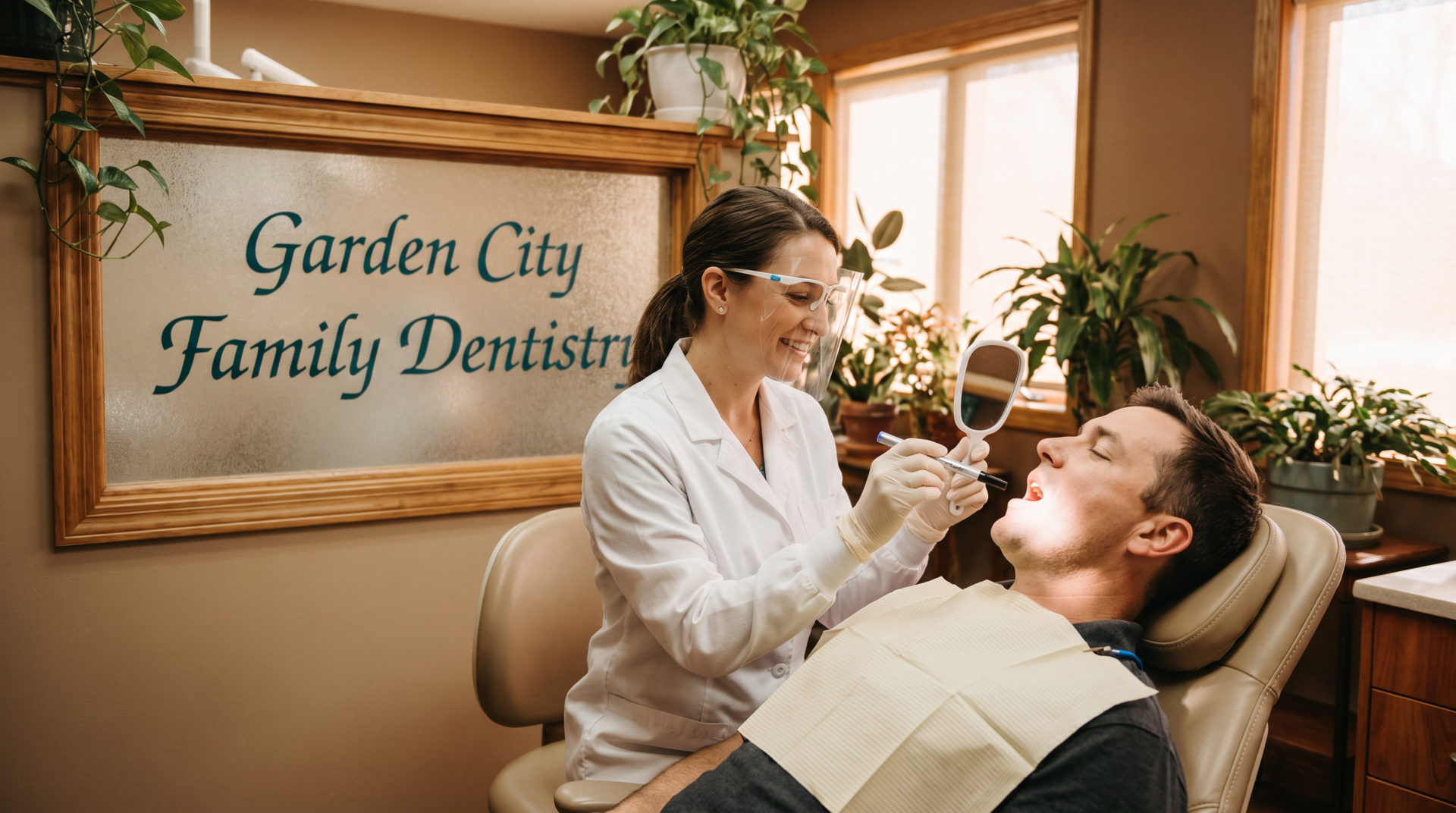
A quick, non-invasive screening that checks the mouth, tongue, lips, gums, throat, jaw, and neck for unusual changes or precancerous conditions.
Medically reviewed by Dr. Reich and Dr. Laing · Garden City Family Dentistry · Last updated September 16, 2026 · Educational purposes only.
An oral cancer screening is a visual and physical evaluation of the mouth and surrounding tissues for unusual changes. Your dentist looks for red or white patches, sores, lumps, lesions, discoloration, and other findings that may need closer evaluation. Screening is integrated into a regular dental checkup and is intended to support early detection—not diagnose cancer by itself.
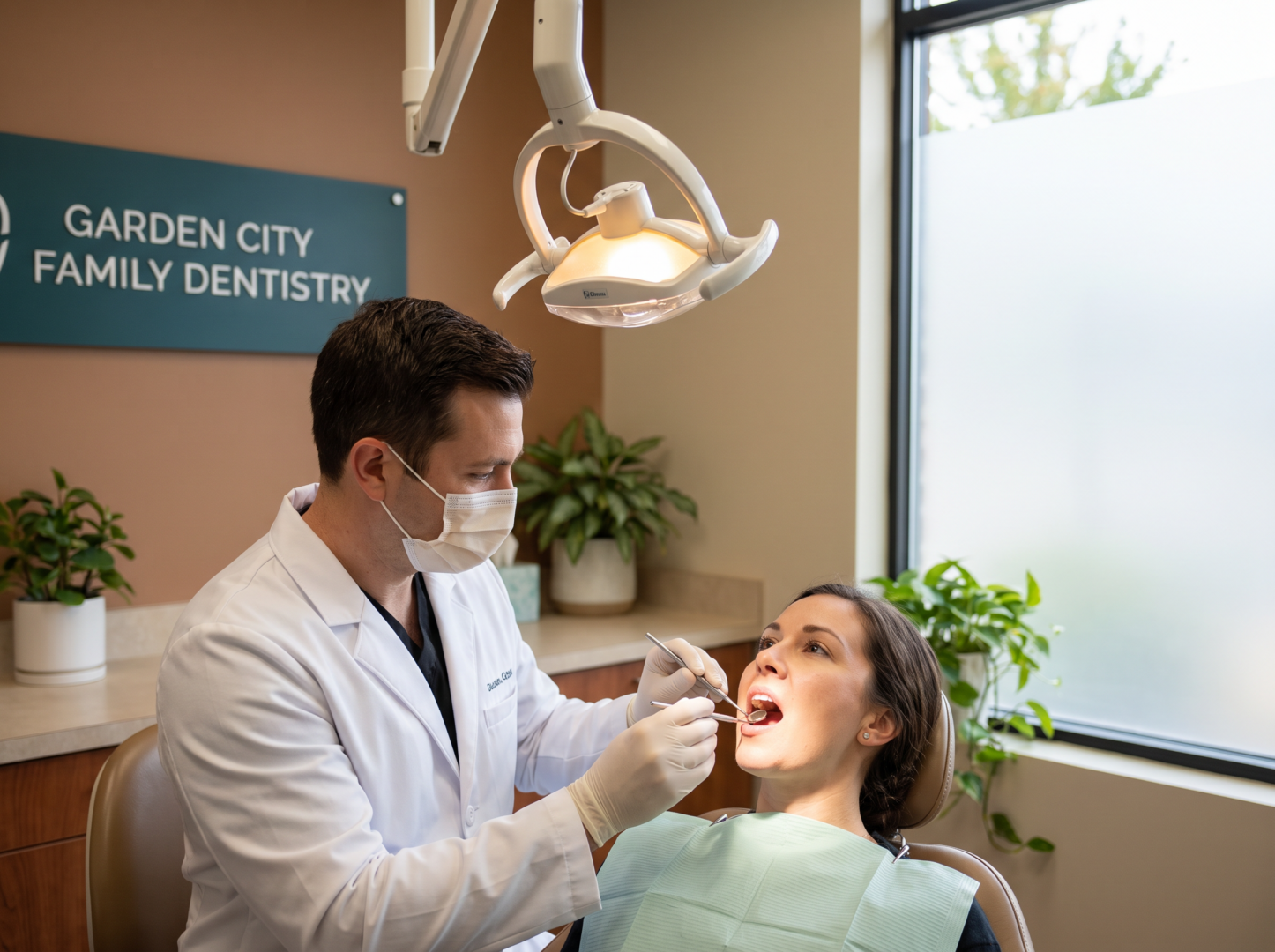
Oral cancer may develop without obvious early symptoms. Routine screening gives your dental team an opportunity to notice changes that you may not see or feel and to explain what to monitor at home. If a finding needs additional evaluation, the office can explain the next step and refer you to an appropriate specialist when necessary.
Plan Your VisitScreening is quick and non-invasive, but it can help identify changes early and give you clearer guidance about follow-up and prevention.
Identifies unusual tissue changes or precancerous conditions that may need timely evaluation.
A routine screening can provide reassurance or a clear next step when something looks unusual.
Learn about tobacco, alcohol, HPV, sun exposure, and other factors that may affect oral health.
If a concern is found, documentation and referral can help move evaluation forward.
The right approach depends on your oral health, symptoms, risk factors, goals, and the findings of your evaluation.
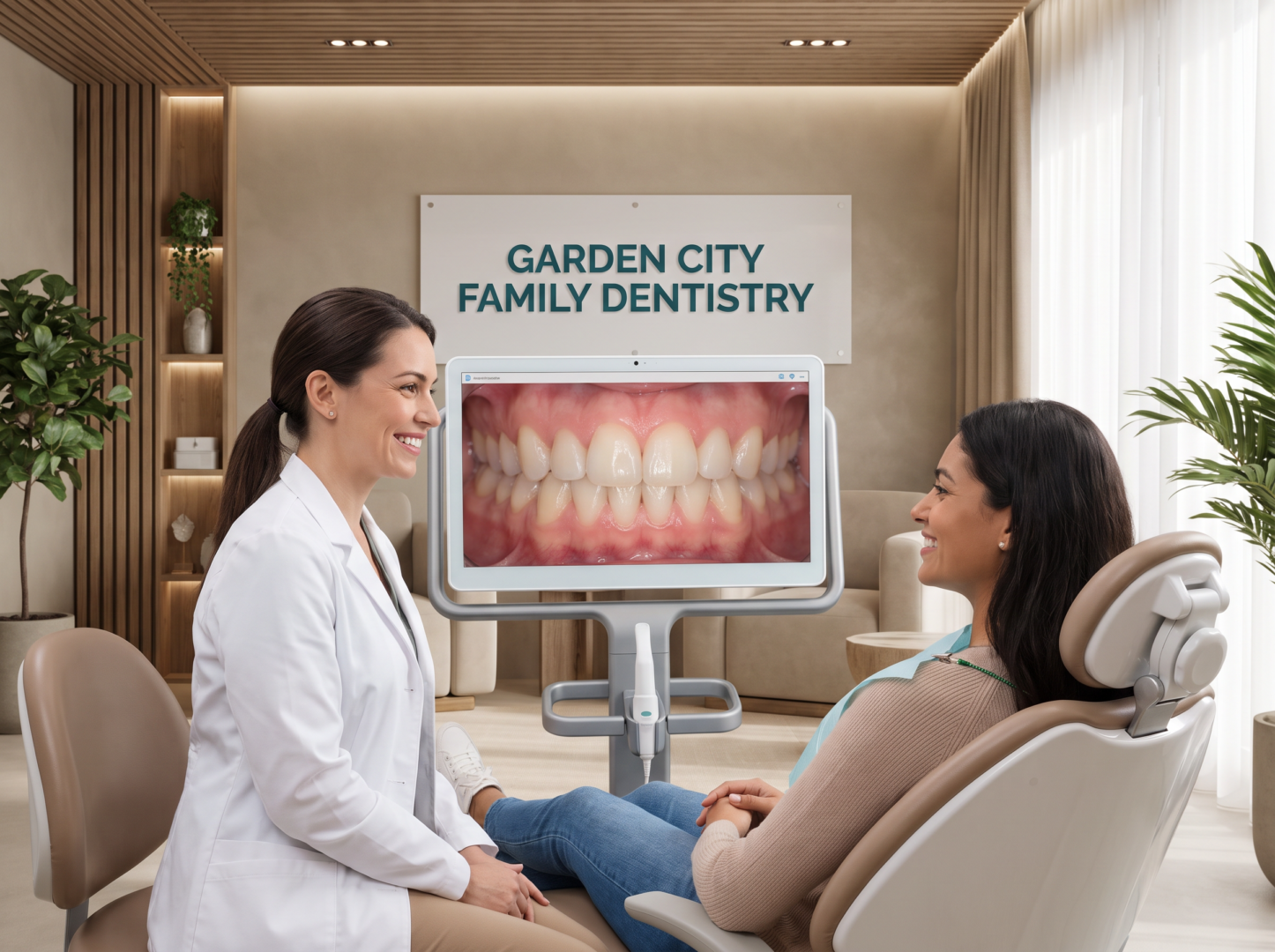
Identifies unusual tissue changes or precancerous conditions that may need timely evaluation.
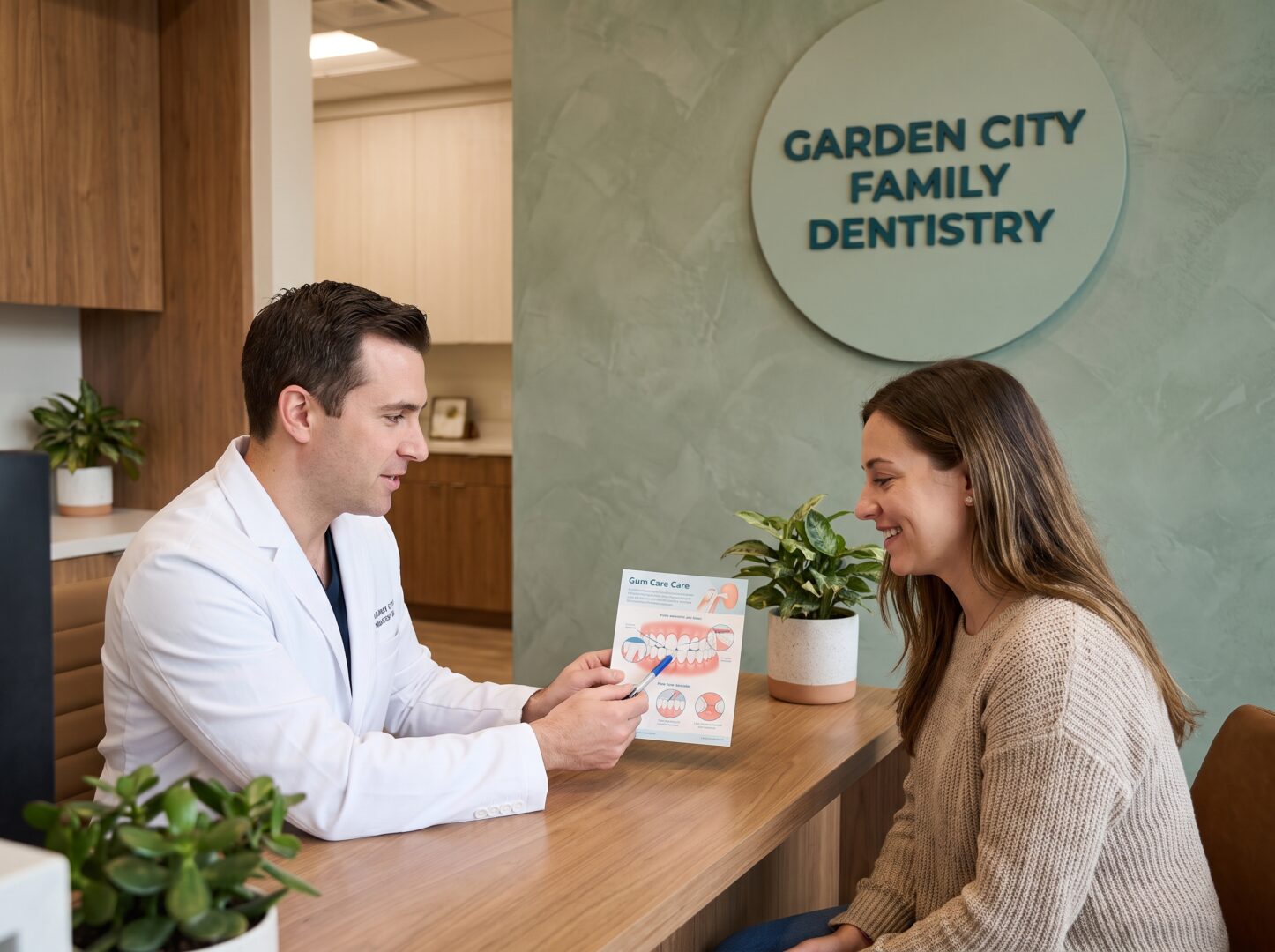
A routine screening can provide reassurance or a clear next step when something looks unusual.
Learn about tobacco, alcohol, HPV, sun exposure, and other factors that may affect oral health.
Everyone should receive oral cancer screening as part of routine preventive care. Screening is especially important for adults over 18, tobacco or heavy alcohol users, people with a family history of oral, head, or neck cancer, people with HPV, and anyone with a sore, lump, or lesion that does not heal within two weeks.
Your dental team will explain findings, alternatives, and recommended timing before treatment.
A screening is not a diagnosis. Your dental team can explain what each step means if an unusual area is identified.
| Option or step | What it means | What to understand |
|---|---|---|
| Routine screening | Looks for changes during a dental visit. | Non-invasive and preventive; does not confirm cancer. |
| At-home monitoring | Pays attention to sores, lumps, patches, numbness, or other changes. | Report changes that persist or concern you rather than waiting. |
| Specialist evaluation | Provides closer examination or testing when a finding needs follow-up. | May include additional imaging or biopsy as recommended. |
| Biopsy | Examines tissue in a laboratory when clinically indicated. | Only a qualified provider can determine whether tissue is cancerous or benign. |
Garden City Family Dentistry combines visual examination, gentle palpation, appropriate digital tools, and patient education to make the screening understandable.
Check the lips, cheeks, gums, tongue, palate, throat, and other visible tissues for unusual changes.
Feel the jaw, neck, gums, and lymph-node areas for swelling, tenderness, or unusual firmness.
Use intraoral cameras or digital X-rays when appropriate to document or evaluate an area.
Explain monitoring, prevention, referral, or follow-up based on what is found.
The dentist checks the mouth, tongue, lips, gums, throat, and visible tissues.
The jaw, neck, gums, and areas under the jaw are gently evaluated.
Intraoral cameras or digital X-rays may be used when appropriate.
The team explains whether the area appears routine or needs monitoring or referral.
Learn warning signs, risk factors, and when to contact the office.
Between visits, pay attention to sores that do not heal, red or white patches, unexplained lumps, persistent throat discomfort, difficulty swallowing, numbness, or changes in how an area feels. These symptoms do not automatically mean cancer, but they deserve professional attention.
Contact the office about a sore, lump, patch, or lesion that lasts more than two weeks.
Tobacco use is an important oral-cancer risk factor and can affect overall oral health.
Ask your dental team about risk reduction if alcohol exposure is a concern.
Routine examinations make preventive screening part of ongoing care.
Discuss questions about HPV and oral-health risk with a qualified provider.
If further evaluation is recommended, follow the referral and testing plan.
Costs vary according to the service, imaging, complexity, materials, and follow-up needs. Garden City Family Dentistry offers financing options for qualified patients.
Ask for a clear estimate and confirm current insurance benefits and payment terms before treatment begins.
Explore Insurance and FinancingNo. It is primarily a quick visual and physical examination of the mouth, gums, jaw, and neck.
At least annually is a common recommendation, and screening is often included during routine six-month dental checkups.
The office will explain the finding and may recommend monitoring, additional evaluation, or referral to a specialist. Further testing may include a biopsy when clinically indicated.
Screening cannot prevent cancer from developing, but early detection may identify precancerous or suspicious changes before they progress.
The page identifies heavy tobacco and alcohol users, people with previous head or neck cancers, and patients with HPV as higher-risk groups.
Garden City Family Dentistry is located at 7110 Venoy Road, Garden City, MI 48135 and welcomes patients from nearby communities.
Explore related services and resources before your oral cancer screening appointment.
Build oral cancer screening into a preventive visit.
Explore professional dental cleaning & exam →Explore routine prevention, fluoride, and patient education.
Explore preventive dentistry →Review another preventive and surgical dental service.
Explore wisdom tooth removal →Find care for teeth affected by decay or damage.
Explore restorative dentistry →Call today or request an appointment in Garden City, MI.
Find us here
We are delighted to welcome you to our practice and look forward to helping you achieve a healthy, confident smile. Fill out the form below and our staff will contact you promptly.