


Holiday meals, cookie exchanges, school parties, and travel can make oral health routines feel harder to maintain. The good news is that your family does not have to skip every favorite food to reduce the risk of cavities.
The most practical approach is to limit how often teeth are exposed to sugary or starchy foods, enjoy treats with a meal instead of grazing, choose water between meals, brush twice a day with fluoride toothpaste, clean between teeth daily, and keep recommended preventive dental visits. These habits support cavity prevention without turning the holidays into a guilt trip. They cannot guarantee a cavity-free season, because risk also depends on enamel, saliva, past decay, medicines, age, and overall health.[1] [2] [4] [5]
This guide is educational information, not individualized dental or medical advice. A dentist can tailor prevention for your family, and a pregnant patient or person living with diabetes should also coordinate care with the appropriate medical clinician.
Why holiday habits can affect cavities
Cavities develop over time. Bacteria in dental plaque use sugars and starches from foods and drinks to produce acids. Saliva and fluoride help replace minerals lost from enamel, but frequent acid attacks can tip the balance toward decay.[5]
That is why frequency matters as much as the food itself. A child who eats one dessert with dinner has a different pattern of exposure from a child who sips a sweet drink and nibbles candy all afternoon. Neither pattern should be used to diagnose a person’s risk, but consolidating treats and limiting between-meal grazing gives teeth more time between acid exposures.
Six realistic holiday cavity-prevention tips
1. Plan treats with meals instead of grazing all day
Enjoying a sweet with a meal or shortly afterward is a reasonable holiday strategy. Eating stimulates saliva, which helps rinse food and buffer acids; this is the timing principle highlighted by the American Dental Association’s MouthHealthy holiday guidance.[1]
For families, that might mean putting dessert on the dinner plate rather than leaving a candy bowl available from breakfast through bedtime. It does not mean a meal “cancels out” sugar or makes unlimited sweets harmless. Keep portions realistic, make water the usual drink, and return to the normal brushing routine.
For children, agree on a simple plan before a party: choose a treat, eat it while seated, and then switch to water. The goal is structure, not perfection.
2. Choose water between meals and be mindful of sweet drinks
Water is an easy way to rinse the mouth and avoid repeated exposure to added sugar. Fluoridated tap water also provides fluoride, a mineral that strengthens enamel and helps prevent tooth decay.[2] [4] If your household uses mostly bottled water, ask a dentist or clinician whether your child needs another source of fluoride; bottled waters vary in fluoride content.[5]
Holiday drinks deserve attention. Soda, sweet tea, punch, sports drinks, flavored coffee, and some festive beverages can add sugar without feeling like a dessert. Try serving water alongside them and limiting how long a sweet drink is sipped. For adults who drink alcohol, water between drinks can help with hydration, and moderation matters for general health; alcohol can also contribute to dry mouth, which reduces saliva’s protective role.[1] [2]
Avoid putting a sugary drink in a child’s bedtime cup after brushing. During sleep, saliva flow is lower, so teeth have less natural protection against an acid attack.[5]
3. Make sticky sweets and starchy snacks occasional choices
Dried fruit, caramel, taffy, fruit snacks, and other sticky foods can stay on tooth surfaces longer than foods that clear quickly. If your family chooses them, serve them with a meal, offer water, and make sure teeth are cleaned later. The same “less often, not all day” principle applies to chips, crackers, pretzels, and baked goods: starches can be used by plaque bacteria and may lodge in grooves or between teeth.[1] [5]
Better everyday snack options include cheese, plain or low-sugar yogurt, vegetables, whole fruit, and meals built around protein and whole grains. These choices are not a requirement for a “good” holiday; they simply make it easier to balance treats with foods that support overall health.[1]
Do not use food labels to assume that “natural,” “organic,” or “dried” means tooth-neutral. Look at added sugar, serving size, and how frequently a food will be eaten.
4. Use fluoride toothpaste and keep brushing simple
Brush twice daily with fluoride toothpaste. Fluoride strengthens enamel and can help prevent decay from progressing; brushing also removes the plaque that feeds the decay process.[2] [4] [5]
A family routine that survives travel is usually better than an elaborate routine that gets skipped. Pack toothbrushes and fluoride toothpaste, set a two-minute timer if it helps, and brush once in the morning and again before bed. Use gentle small motions along the gumline and all tooth surfaces. Replace a brush when bristles are worn.
Young children need help until they can brush effectively. The CDC advises supervising children under 6, using a pea-sized amount of fluoride toothpaste, and encouraging them to spit rather than swallow. For children under 2, ask the child’s dentist or doctor about fluoride toothpaste and the right amount.[3] A child’s first dental visit should occur by the first birthday, and fluoride varnish or sealants may be appropriate depending on age and individual risk.[3]
If someone vomits or has frequent reflux, do not turn the episode into a frantic brushing session. Rinse and ask a dental or medical professional for guidance, especially if it happens repeatedly. Pregnant patients with ongoing vomiting should mention it to their obstetric and dental teams.
5. Clean between teeth every day—not only after a party
A toothbrush cannot fully clean every contact between teeth. Floss, an interdental brush, a water flosser, or another tool recommended by a dental professional can remove plaque and food particles from those spaces.[4]
The best time is the time your family can repeat. Some people floss before bed; others do it after a meal. Ease floss gently to the gumline and curve it around each tooth rather than snapping it into the gums. Children may need an adult to do the work or supervise it.
A rinse with water after a sticky or starchy snack can be useful, but it is not a substitute for brushing and cleaning between teeth. Likewise, mouthwash does not remove tartar. Hardened tartar can only be removed by a dental professional.[4]
6. Protect teeth from cracks and respond to symptoms early
Hard candies can combine concentrated sugar exposure with a risk of chipped or cracked teeth. Nuts, ice, and other hard objects can also damage teeth for some people. Do not bite hard candy, use teeth to open packages, or chew ice. If a tooth hurts when biting, feels sharp, or a filling or crown becomes loose, stop chewing on that side and contact a dental office for advice.[1]
Persistent tooth pain, sensitivity, swollen gums, facial swelling, fever, a broken or knocked-out tooth, or a mouth sore that does not heal deserves professional attention. The practice’s guide to dental symptoms to watch can help you recognize common concerns, but it cannot diagnose the cause. Trouble breathing or rapidly increasing facial swelling is an emergency; seek emergency medical help.

A simple family plan for parties and travel
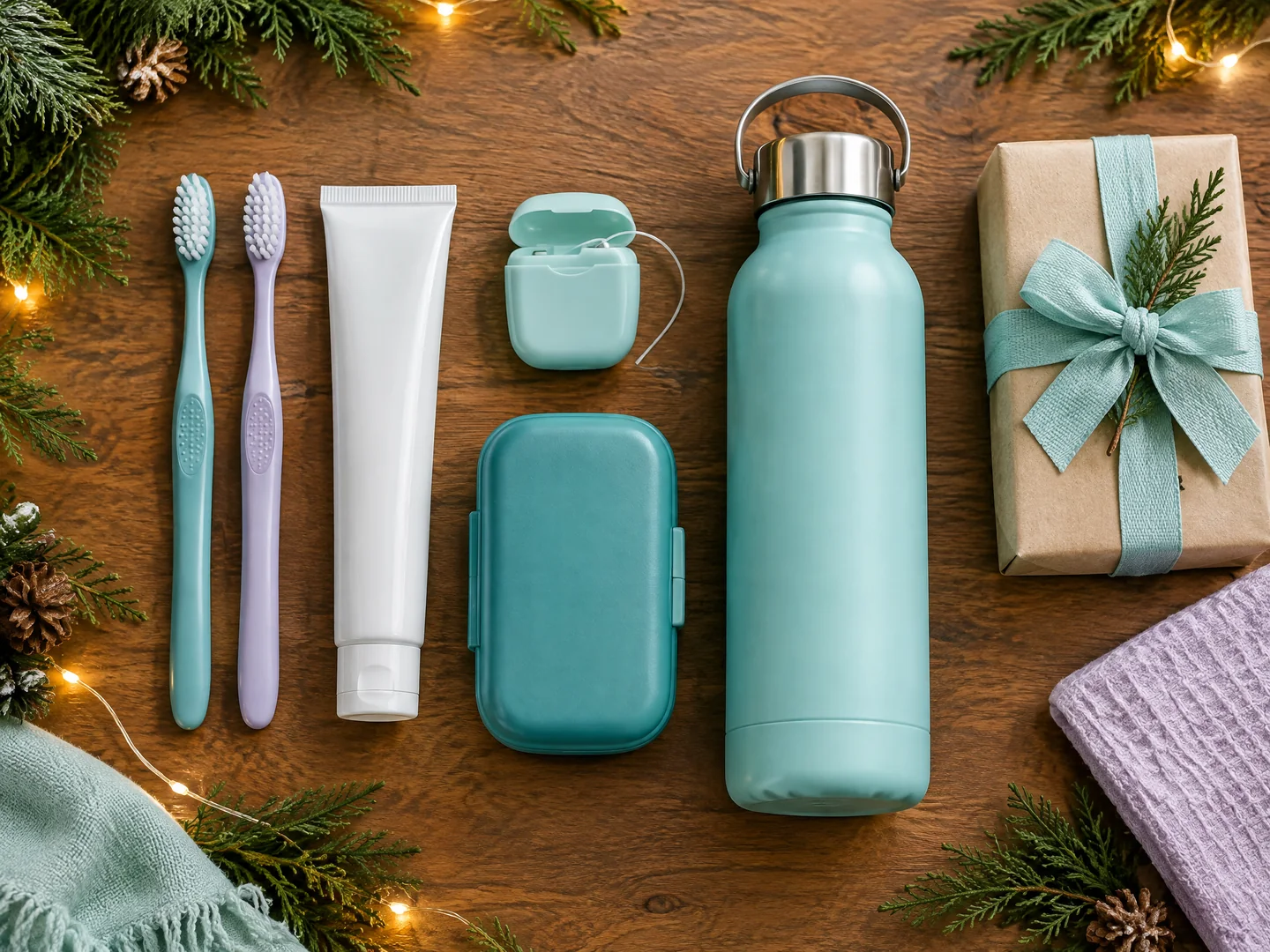
Before a holiday gathering, pack a toothbrush, fluoride toothpaste, floss or an interdental tool, and refillable water bottles. At the event, eat a normal meal, choose a treat, drink water, and avoid carrying a sweet beverage around for hours. At bedtime, brush as usual and clean between teeth if that is part of your routine.
If brushing is not possible immediately after a meal, do not treat that as failure. Rinse with water, avoid more grazing, and brush at the next routine time. Consistency across the season matters more than a single party.
A preventive dental visit can also reset a family routine. A professional dental cleaning and exam can remove plaque and tartar that home care cannot fully remove and gives the dental team a chance to evaluate teeth, gums, bite, and risk factors. Visit timing is individual: some patients are seen about every six months, while others need a different interval because of gum disease, dry mouth, recurring cavities, braces, diabetes, or other factors.[4] [9]
Pregnancy and holiday oral health
Pregnancy can change the gums and may increase the chance of cavities or gum inflammation. The American College of Obstetricians and Gynecologists says prevention, diagnosis, and treatment of oral conditions—including clinically indicated dental X-rays with appropriate shielding and local anesthesia—can be provided during pregnancy. Needed treatment should not automatically be postponed; delaying a problem can allow it to become more complicated.[6]
Educationally, the same holiday habits still apply: limit sugary foods and drinks, brush twice daily with fluoride toothpaste, clean between teeth daily, and attend recommended dental visits.[6] If you are pregnant, tell both your dentist and obstetric clinician about your pregnancy, symptoms, medicines, and any vomiting or reflux. For questions about a specific procedure, medication, X-ray, or pregnancy complication, ask those clinicians rather than relying on a general blog post. You can also read the practice’s dental tips during pregnancy as a supplemental resource.
Diabetes and cavity prevention
People with diabetes may have a higher risk of cavities, gum disease, dry mouth, and other oral problems. Changes in saliva and higher glucose levels can contribute to plaque and decay.[7] This does not mean every person with diabetes will have dental problems, and it does not mean dental care replaces diabetes care.
Tell your dentist that you have diabetes, share relevant medicines and health changes, and ask how often you need cleanings and checkups. Follow the meal and blood-glucose plan developed with your medical clinician. Persistent dry mouth, red or bleeding gums, loose teeth, or bad breath that does not improve should prompt a dental call.[7] Ask your medical clinician about blood-glucose or medicine changes before extensive dental work; do not change medicines on your own.
When to schedule a preventive visit in Garden City
Consider a preventive dental visit if your family is overdue for an exam, a child has recurring cavities, you notice bleeding or sensitive gums, dry mouth is persistent, or you want individualized advice about fluoride, sealants, braces, restorations, pregnancy, or diabetes. Preventive dentistry in Garden City may include an exam, professional cleaning, fluoride when appropriate, sealants when indicated, and practical home-care guidance; the right combination depends on the patient.[8]
Garden City Family Dentistry is located at 7110 Venoy Road, Garden City, MI 48135. The practice lists care for families in Garden City, Westland, Dearborn Heights, Livonia, Canton, and Metro Detroit. To ask about a preventive dental visit or a dental cleaning and exam, call (734) 522-6340 or contact Garden City Family Dentistry. A dental team can help determine whether your next step is routine prevention, symptom evaluation, or urgent care.
Frequently asked questions
Can my family eat holiday sweets and still reduce cavity risk?
Yes. No strategy guarantees that cavities will not occur, but families can reduce risk by eating sweets with meals rather than grazing, choosing water between meals, avoiding sugary drinks after bedtime brushing, and maintaining fluoride brushing and daily interdental cleaning.[1] [2] [5]
Is it better to eat dessert with a meal or snack on it all day?
Eating a sweet with a meal or shortly afterward may reduce the number of separate acid exposures compared with repeated snacking. It does not make unlimited sugar harmless. The most useful goal is to keep sugary or starchy exposures from stretching across the entire day.[1] [5]
Should children brush immediately after holiday candy or an acidic drink?
Follow your usual twice-daily fluoride-brushing routine, but do not scrub aggressively in response to every snack. Offer water, avoid continued grazing, and ask a dentist for specific timing advice if a child has frequent acidic drinks, vomiting, or reflux. Young children should be supervised with toothpaste according to age-appropriate guidance.[3] [5]
Are hard candies and nuts bad for teeth?
They are not automatically forbidden, but hard candies add sugar exposure and can be chewed in a way that chips teeth. Nuts and other hard foods can also cause damage in some circumstances. Do not bite hard candy, ice, or packages; stop chewing and call a dental office if a tooth cracks or becomes painful.[1]
Is dental care safe during pregnancy?
ACOG states that preventive, diagnostic, and needed treatment can be provided during pregnancy, including clinically indicated dental X-rays with shielding and local anesthesia. Discuss your pregnancy and any symptoms with your dental and obstetric teams so recommendations can be individualized.[6]
Does diabetes increase the risk of dental problems?
Diabetes is associated with increased risk for cavities, gum disease, and dry mouth. Tell your dental team about diabetes and medicines, keep medical and dental clinicians updated on changes, and ask how often you should have cleanings and exams. Do not change diabetes medicines without your treating clinician.[7]
A note about this article
This article is for general education and does not diagnose cavities, gum disease, dry mouth, pregnancy conditions, diabetes complications, or dental emergencies. Advice for a child, pregnant patient, person with diabetes, or anyone with pain should be individualized by the appropriate dental or medical clinician.