


Direct answer: Orthodontic treatment is not only for children, braces do not usually cause constant pain, and clear aligners are not automatically right for everyone. Treatment should be planned after an examination of your teeth, gums, bite, dental history, and goals. Braces and aligners require professional monitoring, and retainers are usually part of the long-term plan because teeth can shift after active treatment. [1] [2]
If you are searching for a dentist in Garden City, MI to discuss oral health or alignment concerns, Garden City Family Dentistry can help you decide what visit makes sense. The practice is at 7110 Venoy Road, Garden City, MI 48135. Call (734) 522-6340 or request an appointment. This is general education, not a diagnosis. Final practice clinical review is required before publication.
Myth 1: Anyone who offers braces or aligners is an orthodontist
Fact: The provider’s training and oversight matter. An orthodontist is a dentist who completes additional accredited specialty training focused on how teeth and jaws move. A general dentist may also provide selected clear-aligner treatment, depending on training, clinical scope, and the patient’s needs. The important question is not simply what product is advertised. Ask who will evaluate your bite, plan movement, monitor progress, and handle a problem if one develops. [1]
Tooth movement is a health-care decision, not just a purchase. A plan may need to account for cavities, gum inflammation, restorations, or bone support before movement begins. Complex cases may need an orthodontic specialist’s evaluation. Mail-order or do-it-yourself treatment can miss problems that need an in-person examination.
Myth 2: Orthodontic treatment is only cosmetic
Fact: Appearance is one possible goal, but alignment can also affect function. Depending on the person, treatment may address selected crowding, spacing, overbite, underbite, crossbite, or open-bite concerns. Improving the relationship between teeth can make biting and chewing more efficient and may make some areas easier to clean. [1] [2]
Orthodontics does not prevent every cavity or gum problem, and treatment is not medically necessary for every crooked tooth. A consultation should explain what the proposed movement can and cannot change.
One important boundary: braces and clear aligners should not be presented as a treatment for temporomandibular disorders (TMD). Jaw pain, clicking, locking, headaches, or limited opening deserve a separate clinical evaluation. Do not assume that straightening teeth will diagnose or resolve those symptoms.
Myth 3: Clear aligners work for everyone
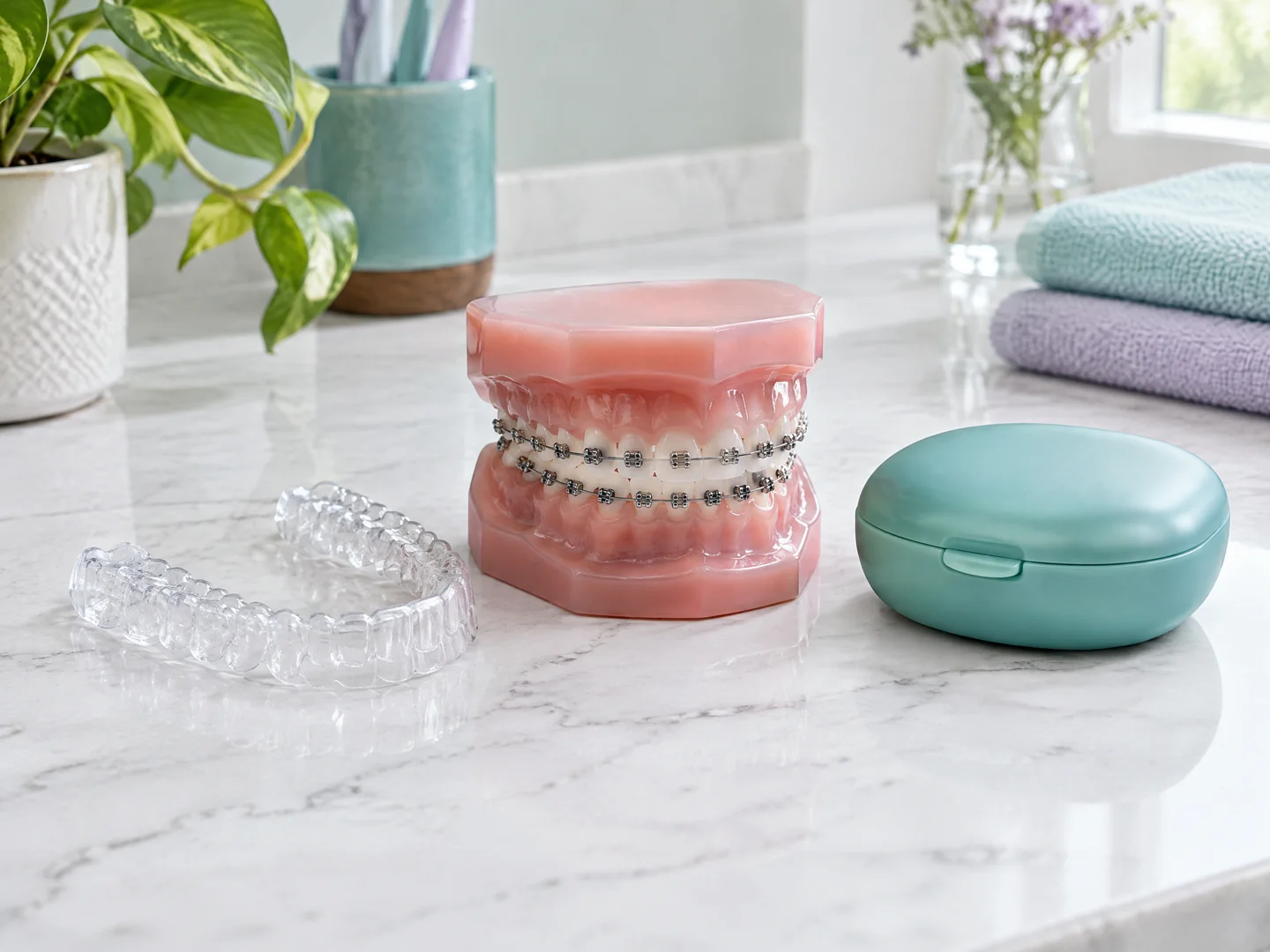
Fact: Clear aligners are useful for selected cases, not a universal solution. Aligners are removable, low-profile trays that gradually guide planned tooth movements. They can be convenient for people who want a discreet option, but they require consistent wear, careful cleaning, and scheduled progress visits. [1] [2]
Braces, ceramic braces, and clear aligners each have a place. The best option depends on the movements needed, bite, gum health, restorations, lifestyle, budget, and ability to follow instructions. A clear tray may be unsuitable for a particular movement or for a mouth that first needs treatment for decay or gum disease.
Garden City Family Dentistry’s Invisalign® page describes consultations for selected crowding, spacing, and bite concerns in adults and teens. An evaluation is needed to determine candidacy. A local Invisalign or clear-aligner consultation in Garden City can help you compare options.
Myth 4: Orthodontic treatment does not need office visits
Fact: Progress checks are part of safe, responsive care. Teeth and gums need to be observed during treatment. A visit can identify a loose bracket, a poking wire, poor aligner tracking, gum irritation, an unwanted bite change, or a need to adjust the plan. [1]
The schedule is individualized. Do not skip appointments because the teeth appear to be moving. Call sooner if an appliance is broken, a tray no longer fits, pain is worsening, or swelling develops.
A professional dental cleaning and exam is relevant before and during orthodontic care because appliances can make plaque control more demanding. Cleaning intervals depend on gum health, cavity risk, and other findings.
Myth 5: Braces always hurt, or pain means something is wrong
Fact: Short-term pressure and tenderness can be normal; severe or persistent pain is not something to ignore. After braces are placed or adjusted, or when a new aligner is started, some people notice pressure or soreness for a few days. Brackets and wires can also rub the cheeks or lips early in treatment. Softer foods and orthodontic wax may help, but follow the instructions from your treating provider. [1]
Do not try to diagnose the cause of discomfort from an online article. Call the orthodontic office if pain is sharp, severe, worsening, not improving after several days, or associated with a poking wire, loose bracket, broken appliance, swelling, fever, or trouble swallowing. If you have facial swelling or trouble breathing, seek urgent help; breathing difficulty is a medical emergency and requires 911.
A severe toothache, injury, or swelling may need an emergency dental evaluation, not an orthodontic adjustment. See the Garden City emergency dentistry page for urgent contact guidance. For a knocked-out permanent tooth, keep it moist, handle it by the crown rather than the root, and seek care immediately. [11]
Myth 6: Treatment always takes several years
Fact: Treatment time varies. A small spacing concern may take a different amount of time than a complex bite problem. Your timeline can be influenced by the required movements, biology, appliance choice, missed visits, broken brackets, and—especially with aligners—whether you wear the trays as directed. [1] [2]
A faster promise is not necessarily a safer promise. Your provider should explain the expected range, important milestones, and factors that could extend treatment. Ask for a realistic estimate rather than a guaranteed completion date.
Myth 7: Adults and older adults are too old for orthodontics
Fact: Age alone does not rule out treatment. Adults can pursue braces or aligners for appearance, function, or selected alignment concerns. However, adult teeth may have fillings, crowns, bridges, missing teeth, gum disease, recession, bone changes, or wear that affects planning. A thorough examination is more useful than an age-based yes or no. [1] [2]
Older-adult dental care deserves particular attention. Dry mouth is not a normal part of aging, but medicines and health conditions can reduce saliva. Less saliva can increase decay and infection risk and make dentures uncomfortable. Exposed root surfaces can also decay. [5] [6]
A plan may include reviewing medicines, cleaning around dentures and natural teeth, checking gums and roots, and choosing visit intervals based on risk. Caregivers may help with brushing or cleaning between teeth.
A sore, lump, thick patch, white or red patch, persistent hoarseness or sore throat, difficulty chewing or swallowing, jaw or tongue movement problems, numbness, mouth pain, or bleeding that lasts more than two weeks should be evaluated by a dentist or doctor. These signs do not diagnose oral cancer, but they should not be dismissed. [9]
Myth 8: Retainers are optional after braces or aligners
Fact: Retention protects the result. After active treatment, the tissues around the teeth continue to adapt, and teeth can shift over time. A retainer helps hold the teeth in their new positions. Your orthodontic provider will determine the type of retainer and how often to wear it; the schedule may extend for a long time. [1] [2]
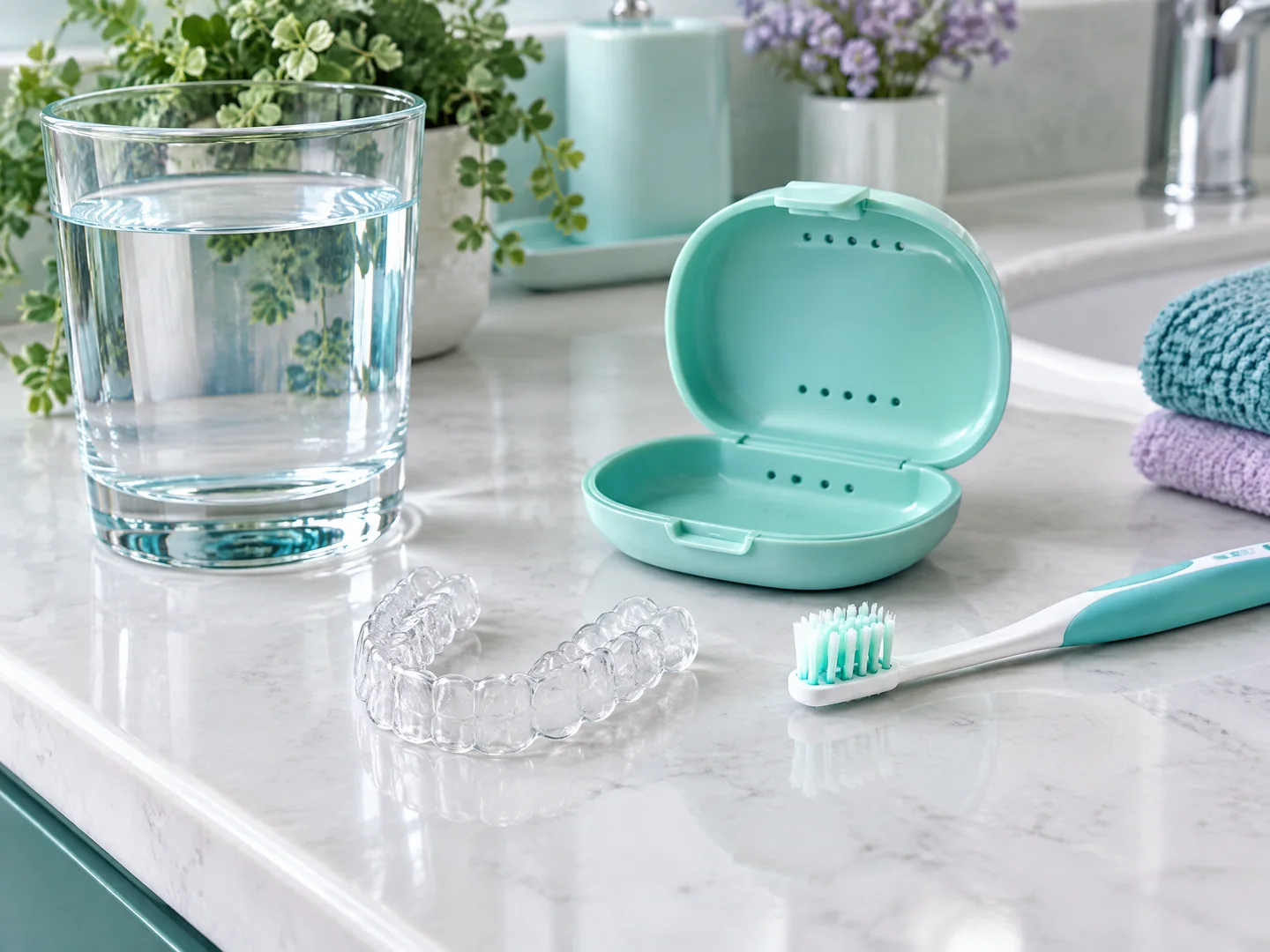
Follow the care instructions you receive. Keep a removable retainer in its case when it is not being worn, clean it as directed, and call if it is lost, cracked, or no longer fits. Do not force a retainer that causes significant pain. A tight retainer may be a reason to ask for professional advice, not a reason to improvise.
Two related myths about daily dental care
Myth: Hard brushing is better, especially with braces
Fact: Gentle, thorough cleaning is better than scrubbing. Use a soft-bristled toothbrush and fluoride toothpaste. Angle the bristles toward the gumline, use gentle small motions, and clean all tooth surfaces. Brush for two minutes twice a day and clean between teeth regularly with floss, an interdental brush, a floss threader, or another tool your dental professional recommends. Replace the brush when bristles become worn. [5]
With braces, take extra time around brackets and wires. With aligners, remove trays for meals and drinks other than water, clean your teeth before replacing them, and clean trays as directed.
Baby teeth and orthodontic questions: another misconception
Baby teeth are important for chewing, speech, and guiding the path for permanent teeth. The AAPD recommends a first dental visit when the first tooth appears or no later than the first birthday. [8] Brush twice daily as soon as teeth erupt with a soft, small-headed toothbrush and the age-appropriate amount of fluoride toothpaste described above. Adults should perform or assist brushing until a child has the skills to do it effectively.
Avoid putting a child to sleep with a bottle containing anything other than water, and ask a clinician for feeding guidance that fits your child. If a child falls and knocks out a permanent tooth, hold it by the crown, avoid touching the root, try to place it back in the socket if possible, or keep it in milk and seek immediate dental care. [8] A baby tooth injury also deserves prompt professional advice because the permanent tooth is developing nearby.
When should you schedule a visit in Garden City?
A preventive dental visit is a sensible starting point if you have not had a recent dental cleaning and exam, if brushing around an appliance is difficult, or if you want to know whether your teeth and gums are ready for a clear-aligner conversation. Garden City Family Dentistry is at 7110 Venoy Road, Garden City, MI 48135, and serves Garden City, Westland, Dearborn Heights, Livonia, Canton, and Metro Detroit. Dr. Reich and Dr. Laing are General Dentists.
For selected alignment concerns, schedule an Invisalign or clear-aligner consultation. Discuss goals, oral health, wear, monitoring, alternatives, and referral needs. For severe pain, facial swelling, uncontrolled bleeding, a knocked-out or broken tooth, or another urgent concern, call (734) 522-6340 or use the emergency dental care page. Call 911 for trouble breathing or a life-threatening emergency.
Frequently asked questions
Do braces hurt?
Pressure, tenderness, or cheek irritation for a few days can occur after placement or adjustment. Severe, worsening, or persistent pain, swelling, fever, or a poking wire needs a call to the treating office rather than an online diagnosis. [1]
Are adults too old for braces or clear aligners?
No. Age alone does not rule out treatment. Candidacy depends on gums, bone support, restorations, missing teeth, bite, goals, and the type of movement needed. [2]
Is Invisalign right for everyone?
No. Clear aligners may suit selected crowding, spacing, and bite concerns, but an examination is needed. Wear consistency and follow-up are essential, and braces or another approach may be more suitable. [1] [2]
Do I need a retainer after braces or aligners?
Usually, a retainer is part of protecting the result because teeth can shift. Your orthodontic provider will explain the type, wear schedule, cleaning, and what to do if it no longer fits. [1]
How long does orthodontic treatment take?
There is no universal timeline. Complexity, tooth movement, appliance, biology, appointments, broken appliances, and aligner wear can all affect duration. Ask for a case-specific estimate rather than a guarantee. [1] [2]
When is an orthodontic problem an emergency?
Call the treating office for a broken appliance, sharp wire, severe or persistent pain, swelling, or discomfort that is not improving. A knocked-out tooth, facial swelling, uncontrolled bleeding, trouble swallowing, or trouble breathing requires urgent direction; call 911 for a life-threatening emergency. [11]
Reviewed sources
- 8 Common Myths About Orthodontic Treatment | American Association of Orthodontists
- Adult Orthodontics: Embrace Your Smile at Any Age | American Association of Orthodontists
- About Fluoride | Centers for Disease Control and Prevention
- About Community Water Fluoridation | Centers for Disease Control and Prevention
- Oral Hygiene | National Institute of Dental and Craniofacial Research
- Dry Mouth | National Institute of Dental and Craniofacial Research
- Fluoride Exposure: Neurodevelopment and Cognition | National Toxicology Program
- Frequently Asked Questions | American Academy of Pediatric Dentistry
- Oral Cancer | National Institute of Dental and Craniofacial Research
- Invisalign® in Garden City, MI | Garden City Family Dentistry
- Dental Emergencies | MouthHealthy, American Dental Association