

Direct answer: Tooth loss is not an inevitable part of aging. Older adults can protect natural teeth, dentures, implants, and overall comfort with gentle daily cleaning, attention to dry mouth and medicines, regular dental evaluation, and prompt attention to changes. The right visit interval is individualized according to gum health, decay risk, medications, dexterity, dentures, and other health needs—not age alone [1] [2] [3].
This guide is educational. It does not diagnose symptoms or replace an examination. Final practice clinical review is required before publication; this article has not been medically reviewed.
Why oral health can change with age
Aging itself does not cause cavities or gum disease, but several changes can make prevention more important. Receding gums can expose roots, which do not have the same protective enamel as a tooth crown. Tooth decay can develop around older fillings, crowns, exposed roots, or difficult-to-reach areas. Gum disease may progress without obvious warning signs, so a person can feel “fine” while still benefiting from a preventive dental visit [1] [2] [3].
Hand strength, vision, memory, transportation, and comfort can affect daily care and access to appointments. A caregiver may help with reminders, supplies, transportation, communication, or brushing and interdental cleaning. Ask the dental team to demonstrate an approach that fits the person’s abilities.
A daily routine that protects teeth and gums
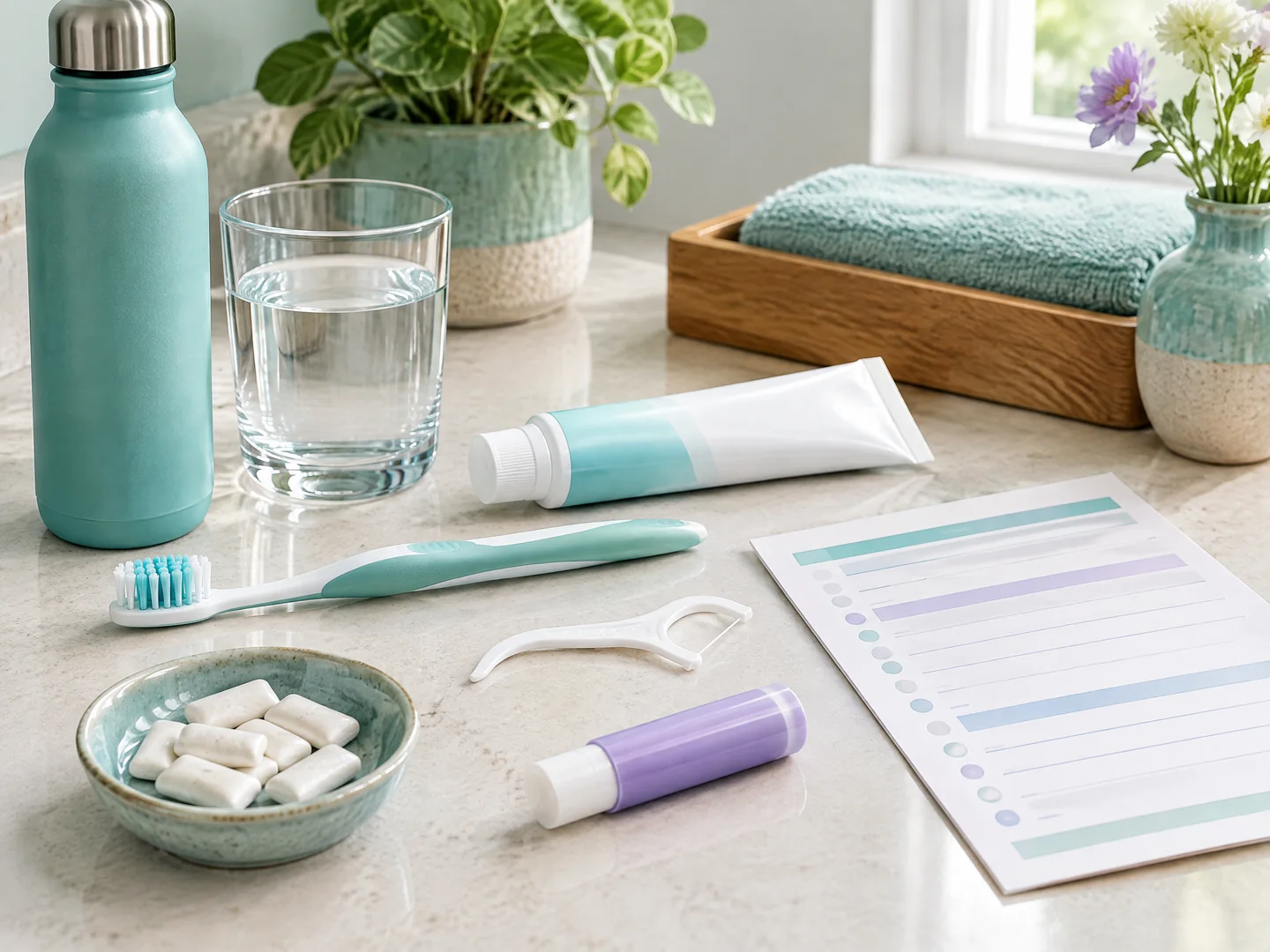
Use a soft-bristled toothbrush and fluoride toothpaste. Brush for two minutes twice a day, using gentle pressure and short strokes along the teeth and gumline. A brush should be replaced every three or four months, or sooner when bristles are frayed. An electric brush may help some people, but technique and comfort matter more than the type of handle [4].
Clean between the teeth once a day with floss, a floss holder, an interdental brush, or another tool recommended by a dental professional. Bridges, implants, crowded teeth, and limited hand movement may require a different tool. Do not force floss into a tight or painful area. Ask for an individualized demonstration.
Choose meals and drinks that limit frequent exposure to added sugar. If dry mouth is present, sipping water may improve comfort, but water is not a substitute for evaluation or decay-prevention advice. Tobacco cessation reduces risk to the gums and helps lower oral-cancer risk [2] [6].
A dental cleaning and exam removes plaque and tartar that home care cannot fully remove and gives the dental team an opportunity to assess teeth, gums, restorations, bite, oral tissues, and risk factors. Many stable patients are seen about every six months, but some need more frequent periodontal maintenance and others may be scheduled differently. The dentist should set the interval based on findings and risk, not a rigid calendar [1] [11].
Common older-adult concerns to discuss
Dry mouth and medicines
Dry mouth, or xerostomia, is not simply something a person must accept as a normal consequence of aging. It can be related to medicines, dehydration, medical conditions, radiation, or other causes. Saliva helps wash away food, neutralize acids, and protect oral tissues. Reduced saliva can increase the risk of root decay, tooth decay, mouth soreness, difficulty chewing or swallowing, denture discomfort, and fungal infection [2] [5].
Bring a current medication list to the dental and medical teams. Do not stop or change a prescribed medicine on your own. A physician or pharmacist can consider whether a medicine or dose contributes to dryness, while a dentist can assess decay risk and suggest products. Options may include water, sugar-free gum or lozenges, artificial saliva, an alcohol-free rinse, or additional fluoride protection. Ask a clinician if swallowing, diabetes, or other concerns apply [2] [5].
Root decay and gum disease
When gums recede, exposed roots can be more vulnerable to decay. Report new sensitivity, a rough area, food trapping, or a visible change instead of trying to identify the cause at home. Sensitivity can be related to exposed roots, decay, gum disease, cracks, worn enamel, or a filling, so a dental evaluation is important [3] [16].
Gingivitis is an early form of gum disease and can be reversible with appropriate care. Periodontitis is more advanced and can damage the tissues and bone supporting teeth. Brushing, cleaning between teeth, tobacco avoidance, and professional care can reduce risk, but bleeding or loose teeth should not be dismissed as “just aging” [2] [3].
Dentures, bridges, and implants
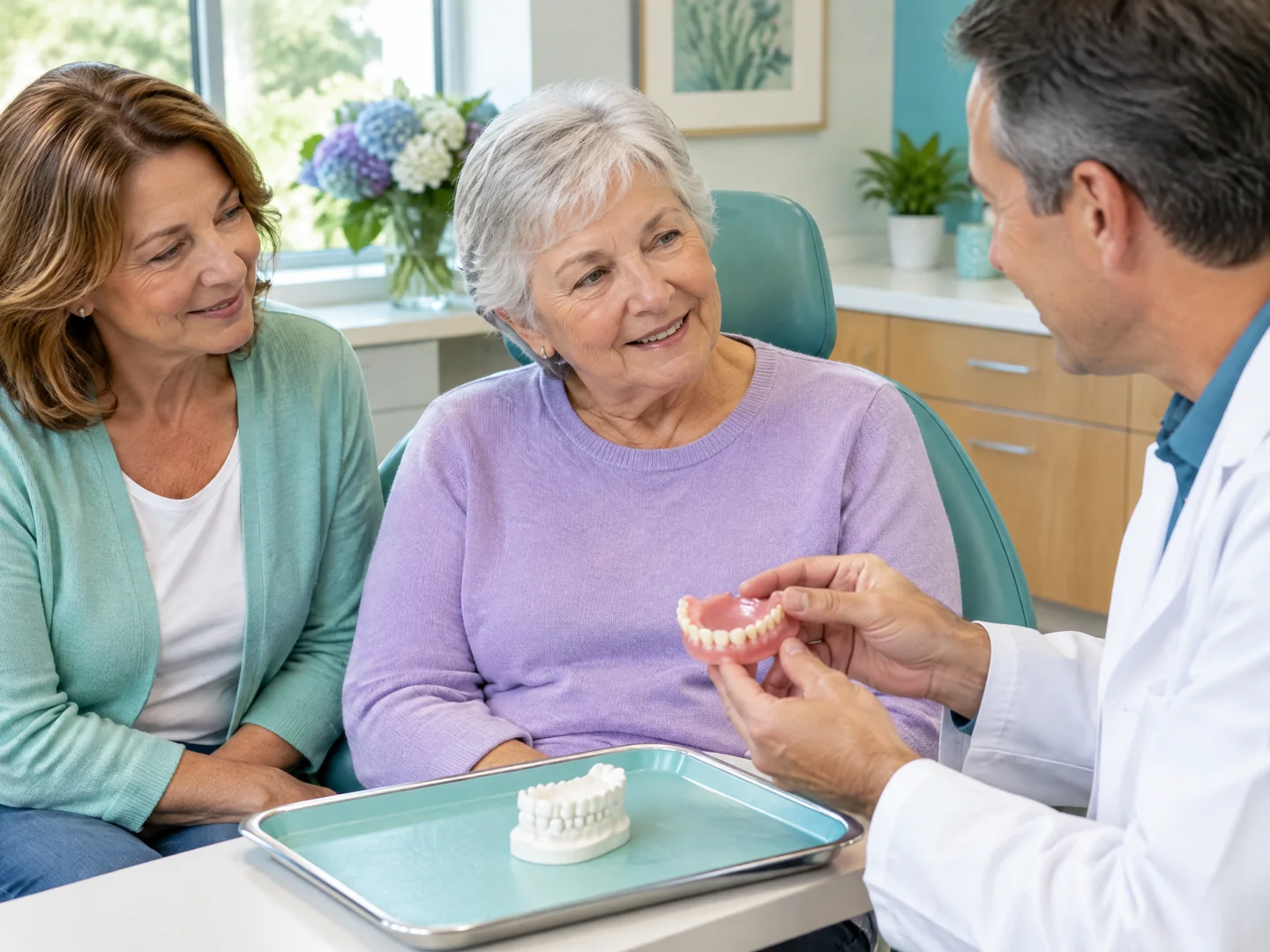
Clean full and partial dentures every day as directed. Remove them to clean the appliance and the mouth, and generally avoid sleeping in dentures unless the treating clinician has given a different instruction. A denture that rubs, causes a sore spot, becomes loose, or suddenly fits differently needs assessment. Do not use household cleaners or hot water that could damage the appliance; ask the dental team which cleanser and brush are suitable.
Clean remaining natural teeth, gums, tongue, bridges, and implant-supported areas as instructed. Dentures replace teeth but do not make the mouth maintenance-free. Difficulty chewing, avoiding foods, or eating less may signal a denture, infection, pain, swallowing, or nutrition concern and deserves a coordinated evaluation.
Oral-cancer warning signs
A dental visit may include an examination of the mouth and surrounding tissues, but no visual check can promise that cancer has been ruled out. The U.S. Preventive Services Task Force has said evidence is insufficient to determine the balance of benefits and harms for oral-cancer screening of asymptomatic adults by primary-care providers; that statement should not be used to ignore a persistent change or to replace evaluation by a dentist or physician [6] [7].
Contact a dentist or physician if a sore, irritation, lump, thick area, white or red patch, numb area, bleeding area, hoarseness, persistent sore throat, or difficulty chewing, swallowing, speaking, or moving the jaw or tongue lasts more than two weeks. A denture that becomes uncomfortable because of swelling also deserves prompt attention. These signs often have causes other than cancer, but they should be checked rather than self-diagnosed [2] [6].
How caregivers can make dental care easier
Start with the person’s preferences and ask permission before helping. Set a consistent brushing time, use an adapted brush if needed, and provide good lighting and a stable seat. If the person cannot clean effectively, assist while following the dental team’s technique. Ask the care team for safe positioning advice.
Keep a written list of medical conditions, medicines, allergies, dentures or implants, and recent changes such as bleeding, pain, reduced eating, or mouth dryness. Arrange transportation and request accessibility accommodations when booking. If memory or communication is limited, ask whether a caregiver can attend and how consent and privacy will be handled.
Caregivers should look for patterns rather than diagnose. A person who refuses food, holds the cheek, becomes withdrawn during brushing, develops bad breath, or has a new denture problem may be uncomfortable. Call the dental office for guidance rather than waiting for the next routine visit.
When an older adult needs urgent evaluation
Call a dentist promptly for severe or worsening tooth pain, facial or jaw swelling, a dental abscess concern, uncontrolled oral bleeding, a broken tooth, a lost crown or filling with pain, or an injury to teeth or soft tissues. A knocked-out permanent tooth is time-sensitive: handle it by the crown, not the root; if it is dirty, rinse it gently; and seek immediate dental guidance. Do not delay care while trying home remedies [13].
Trouble breathing or swallowing, rapidly spreading facial or neck swelling, confusion, or signs of a serious systemic illness require emergency medical care. A dental office can advise about dental availability, but it cannot replace emergency services for a threat to the airway or overall safety.
Is orthodontic care relevant later in life?
Adults may ask about braces or clear aligners for selected crowding, spacing, or bite concerns. A clear-aligner consultation in Garden City can explain whether the teeth, gums, bite, restorations, goals, and ability to follow the wear plan make aligners reasonable. Candidacy requires an evaluation; a blog cannot determine it. Clear aligners move teeth for orthodontic purposes and should not be presented as treatment for temporomandibular joint disorders (TMD) or jaw pain. If pain, clicking, locking, or limited opening is a concern, ask a dental clinician about an appropriate evaluation before considering orthodontics [14].
Frequently asked questions
Is tooth loss inevitable as we age?
No. Age can change risk, but tooth loss is not an unavoidable part of aging. Daily fluoride toothpaste, cleaning between teeth, tobacco avoidance, and risk-based dental care can help protect natural teeth. Existing tooth loss also has several possible replacement or comfort options that should be discussed individually.
How often should an older adult have a dental visit?
There is no single schedule for every person. Many stable patients have a cleaning and exam about every six months, while a person with periodontitis, dry mouth, frequent decay, dentures, or limited home-care ability may need a different interval. Follow the plan based on examination findings and risk.
What should we do about dry mouth from medicines?
Do not stop a medicine without medical advice. Bring the medication list to a dentist and physician, ask about the cause, and discuss safe options such as water, sugar-free products, artificial saliva, oral rinses, and additional fluoride protection when appropriate.
Should dentures be worn overnight?
Ask the treating dental clinician. In general, dentures are removed for daily cleaning and are not worn during sleep unless a clinician gives a specific reason to do so. Soreness, looseness, or a sudden change in fit should be evaluated.
When should a mouth sore be checked?
A sore, patch, lump, numb area, bleeding area, or change in chewing, swallowing, voice, or denture fit that lasts more than two weeks should be evaluated by a dentist or physician. The symptom may not be cancer, but it should not be diagnosed at home.
A practical next step in Garden City
If you are looking for a dentist in Garden City MI or a family dentist in Garden City for older-adult dental care, caregiver questions, or children’s dental care, Garden City Family Dentistry is located at 7110 Venoy Road, Garden City, MI 48135. The practice verifies service to Garden City, Westland, Dearborn Heights, Livonia, Canton, and Metro Detroit. You can schedule a professional dental cleaning and exam, ask about a general and preventive dental visit, or contact Garden City Family Dentistry at (734) 522-6340. For severe pain, swelling, bleeding, or injury, ask about an emergency dental evaluation. A team member can explain appointment availability and the next appropriate step.
Reviewed sources
- CDC: About Oral Health
- NIDCR: Older Adults and Oral Health
- ADA MouthHealthy: Common dental concerns for older adults
- ADA MouthHealthy: Brushing Your Teeth
- ADA MouthHealthy: Dry Mouth
- NIDCR: Oral Cancer
- USPSTF: Oral Cancer Screening
- NTP Monograph 08: Fluoride Exposure and Neurodevelopment and Cognition
- AAPD: Fluoride Therapy
- AAPD: Parent Frequently Asked Questions
- Garden City Family Dentistry: Professional Dental Cleaning & Exam
- Garden City Family Dentistry: Emergency Dentistry
- Garden City Family Dentistry: Invisalign in Garden City
- Garden City Family Dentistry: Sensitive Teeth