Posted on February 26, 2026

Tooth pain is not something to ignore. If you are experiencing severe tooth sensitivity, swelling, or pain when chewing, you may need a root canal. Root canal treatment is designed to remove infection inside the tooth and relieve dental nerve pain before it spreads.
Recognizing the early signs of a tooth infection can help save your natural tooth and prevent serious complications.
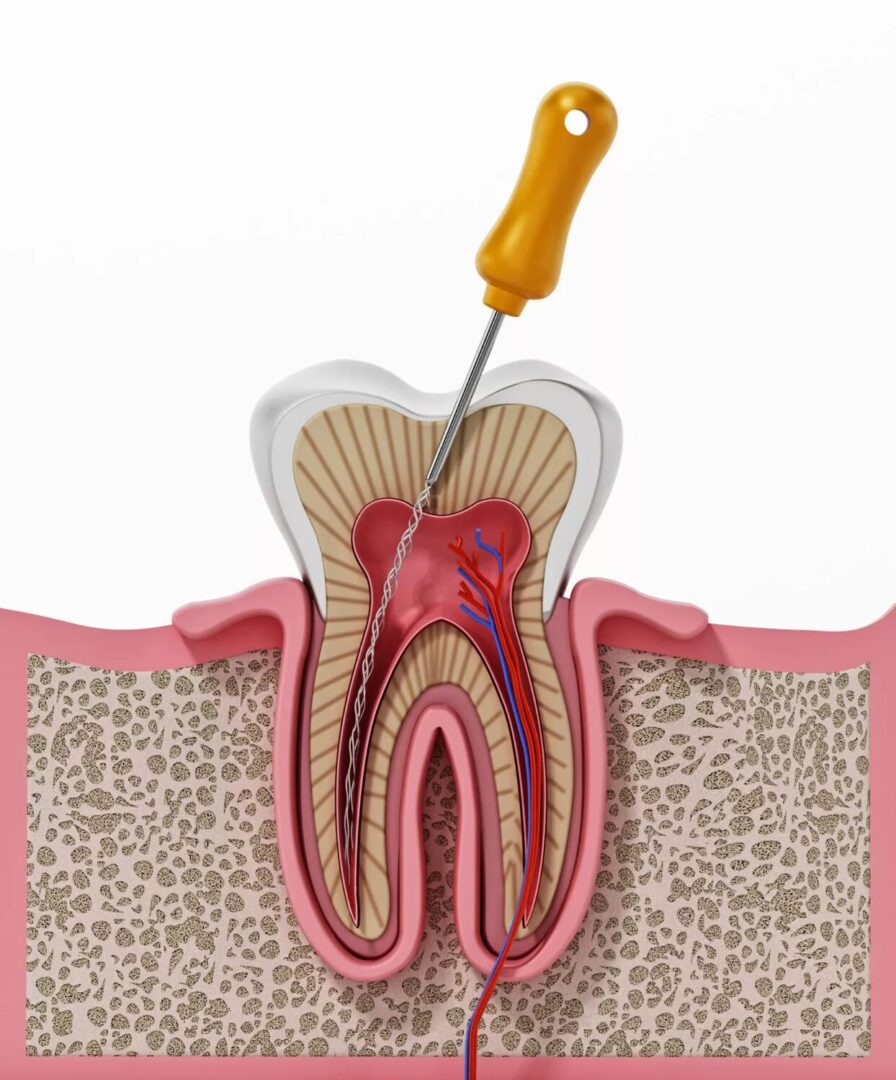
A root canal is a dental procedure used to treat an infected or inflamed tooth pulp. The pulp is the soft tissue inside your tooth that contains nerves and blood vessels.
Common causes of needing a root canal include:
When bacteria reach the pulp, it can cause infection, swelling, and severe tooth pain.
“How do I know if I need a root canal?” look for these warning signs:
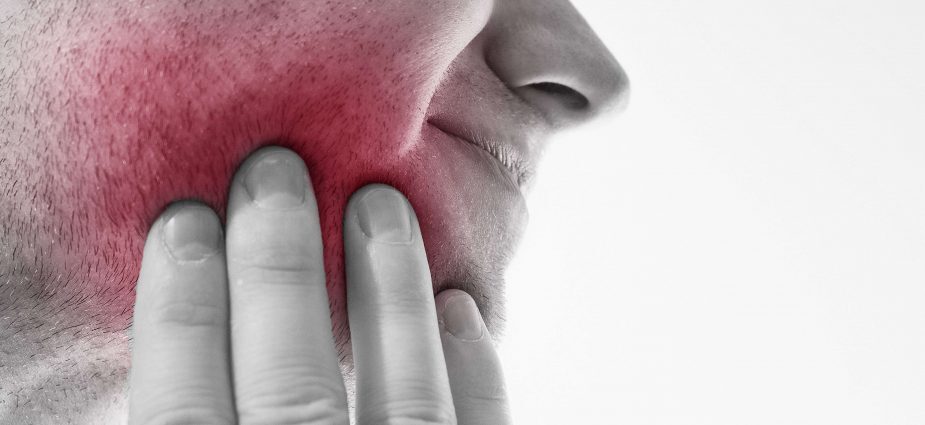
Ongoing dental pain is one of the most common signs of a tooth infection.
This often indicates nerve damage inside the tooth.
Gum swelling may signal infection beneath the surface.
This can occur when the nerve inside the tooth begins to die.
This is a sign of a dental abscess and requires immediate attention.
Delaying treatment can lead to:
An untreated tooth infection will not go away on its own.
During treatment:
Most patients experience relief shortly after the procedure.
These symptoms may indicate that the infection is spreading.
If you are experiencing tooth sensitivity, severe dental pain, or signs of infection, don’t wait. Early root canal treatment can eliminate infection, relieve pain, and prevent tooth loss. Prompt care protects your oral health and prevents more complex dental problems in the future.
Modern root canal therapy is no more uncomfortable than getting a filling. The procedure is designed to relieve pain caused by infection.
Most root canal treatments take 60 to 90 minutes, depending on the tooth and severity of infection.
Yes.
Root canal therapy removes infection while preserving your natural tooth structure.
Common signs include persistent pain, swelling, sensitivity, and discoloration.
Find us here
We are delighted to welcome you to our practice and look forward to helping you achieve a healthy, confident smile. Fill out the form below and our staff will contact you promptly.