


5 Tooth Fairy Ideas for a Magical First Lost Tooth
Turn a wiggly-tooth milestone into a family tradition with five simple ideas, a ready-to-copy Tooth Fairy letter, and oral-health reminders that feel encouraging—not like homework.
Medically reviewed by Dr. Reich and Dr. Laing, General Dentists · Garden City Family Dentistry · Educational information for parents and caregivers.
How can you make a Tooth Fairy visit special?
Choose one personal keepsake, one small surprise, and one positive message about growing up.
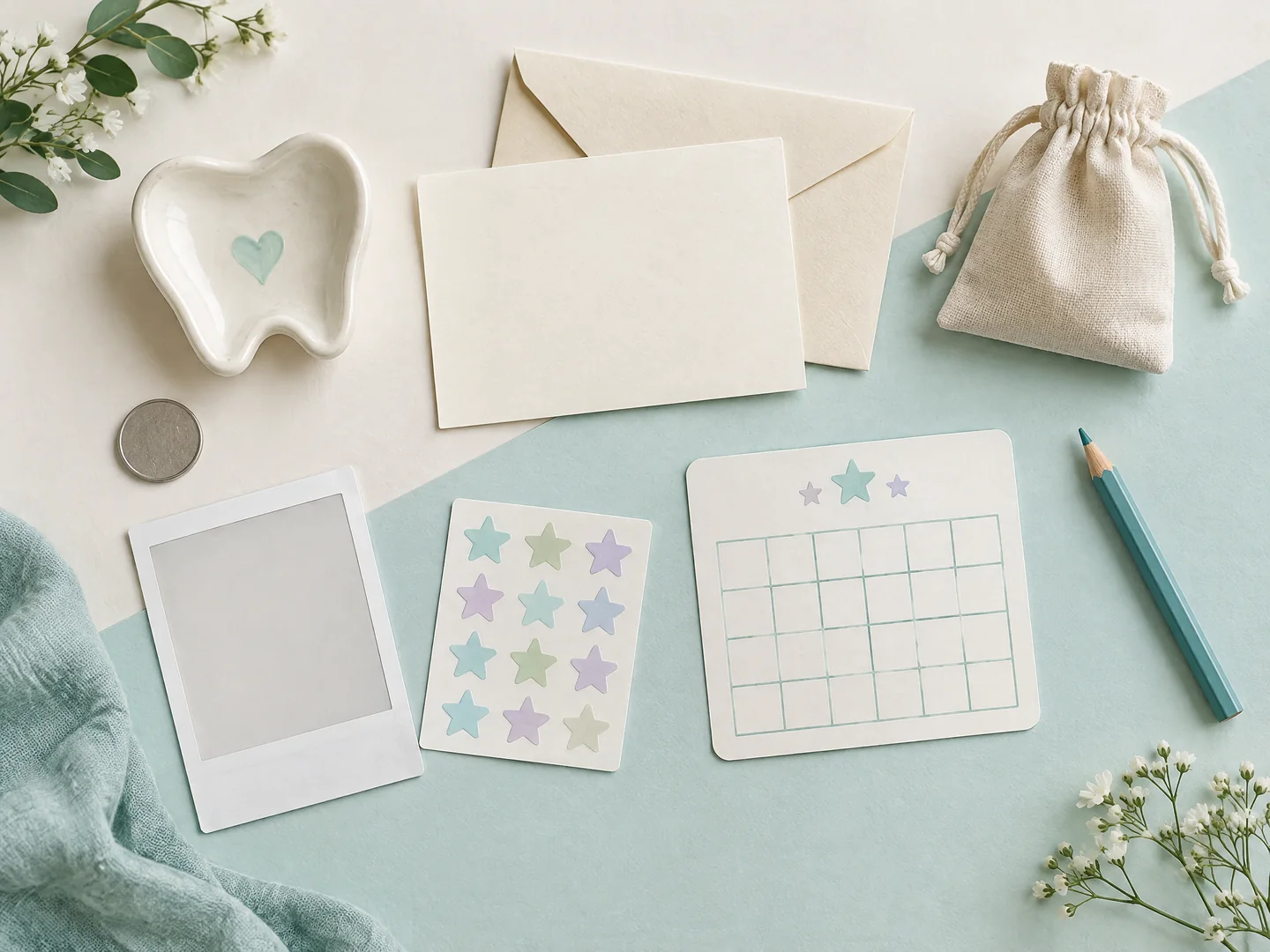
A memorable Tooth Fairy tradition does not need to be expensive or elaborate. Create an easy tooth pickup spot, leave a personal letter or receipt, record the date in a smile journal, add a two-minute brushing tracker, or take a milestone photo.
Follow your child’s comfort level. Some children love detailed magic; others prefer a simple family celebration without a fairy story.
Pickup station
Letter or receipt
Smile journal
Brushing tracker
Milestone photo
Let the ritual fit your child and your family.
A naturally shed baby tooth marks a normal step toward an adult smile. Baby teeth still matter before they fall out: they support chewing, speech, confidence, and spacing for permanent teeth.[2] A Tooth Fairy visit can celebrate the milestone while keeping the oral-health message warm and age-appropriate.
Create a Tooth Fairy pickup station.
Instead of asking the Tooth Fairy to search under a pillow, place the tooth in a small dish, fabric pouch, envelope, or keepsake box on a nightstand. Your child can decorate the container with a name, stars, or favorite colors.
A visible pickup spot is easier for grown-ups to reach and less likely to disturb a sleeping child. Keep small items out of reach of younger siblings and pets. If you plan to save the tooth, let it dry and label the container with the child’s name and date.
- Use an object you already own
- Let the child choose the location
- Keep tiny pieces away from toddlers and pets
Leave a personal Tooth Fairy letter or receipt.
Write your child’s name, the date, and one detail about the day. You might celebrate bravery, patience with a wiggly tooth, or excitement about a changing smile. Add one gentle habit reminder, such as brushing morning and night.
Avoid grading the tooth as “good” or “bad.” Tooth color, shape, fillings, and cavities are not measures of a child’s worth. Keep the message encouraging and specific to the milestone.
- Name and date
- One congratulations sentence
- One simple oral-care reminder
- A signature or small star
Start a first-lost-tooth smile journal.
Use a notebook or a few pages in a family scrapbook. Record which tooth was lost, where it happened, how the child felt, and what the Tooth Fairy left. Invite your child to draw the gap in their smile or write a question for the next visit.
Over time, the journal becomes a record of growth rather than a collection focused only on rewards. The ADA’s MouthHealthy resource also suggests a keepsake book and “smilestone” page as ways to remember Tooth Fairy visits.[1]
Pair the surprise with a two-minute brushing tracker.
Create seven morning-and-night boxes on a card and let your child add a sticker after brushing. The tracker should be a friendly prompt, not a test or condition for receiving a gift. Celebrate consistency and effort.
The Centers for Disease Control and Prevention recommends that children brush twice daily with fluoride toothpaste and receive help until they have good brushing skills. For children younger than 6, watch them brush, use a pea-sized amount, and make sure they spit rather than swallow.[3]
For care that matches your child’s age and cavity risk, explore preventive dentistry at Garden City Family Dentistry.
Create a repeatable “smilestone” photo ritual.
Take one natural smile photo in the same place after each lost tooth. Add the date and a short memory to the journal. You can use the same small prop—a star, number card, or keepsake box—so the photos become a simple series.
Follow the child’s lead. If they do not want a close-up, photograph the keepsake station, their drawing, or the note instead. A milestone can be remembered without forcing a child to pose or share an image publicly.
A simple Tooth Fairy letter for a first lost tooth
Change the words to match your child’s personality and your family tradition.
Dear [Child’s name],
I found your tooth in its special spot. Losing a baby tooth means your smile is growing and changing. You handled this big milestone with so much [bravery / patience / curiosity].
Keep caring for your new smile by brushing in the morning and before bed. Ask a grown-up for help so every tooth gets its turn.
I left you [a small surprise / a coin / a new bookmark] to remember the day. Write the date in your smile journal so we can celebrate the next visit too.
Sparkles and smiles,
The Tooth Fairy

Use the milestone to reinforce four healthy habits.
Keep the message short and positive. The goal is to make daily care feel familiar, not to turn the Tooth Fairy into a judge.
Use fluoride toothpaste and a soft, age-appropriate toothbrush.
Try a song, timer, or short story to make the time predictable.
Children often need supervision and hands-on help while skills develop.
A dental exam can check development, cavities, gums, and home-care needs.
Learn what to expect during a professional dental cleaning and exam, or review our evidence-based guide to cleaning and replacing a toothbrush.
A tooth lost in an accident is not a routine Tooth Fairy moment.
A naturally loose baby tooth is expected. A tooth knocked out during a fall, sport, or collision needs prompt dental advice. For a knocked-out permanent tooth, time matters: handle the tooth by the crown rather than the root, keep it moist, and get to a dentist right away.[4]
- Call promptly if a tooth came out before it was loose or after an injury.
- Seek care for significant pain, swelling, fever, or bleeding that does not stop.
- Do not scrub a knocked-out permanent tooth or let it dry.
- When unsure whether the tooth is primary or permanent, contact a dentist and explain what happened.
Tooth Fairy ideas and lost-tooth answers
What can the Tooth Fairy leave for a child?
The Tooth Fairy can leave a small family-chosen surprise such as a coin, note, sticker, bookmark, toothbrush, or experience coupon. The tradition does not need to be expensive or food-centered.
What should a Tooth Fairy letter say?
Use the child’s name, mention the lost-tooth milestone, celebrate growing up, and add one gentle reminder to brush morning and night. Keep the note encouraging rather than grading the tooth’s appearance.
What if the Tooth Fairy cannot find the lost tooth?
The family can still celebrate. A child can leave a drawing, a short note explaining what happened, or an empty keepsake box. The memory matters more than producing the tooth.
Should parents keep baby teeth?
Keeping a naturally shed baby tooth is a personal family choice. If you keep it as a memento, place the dry tooth in a labeled container and store it out of reach of younger children.
When do children start losing baby teeth?
Many children begin losing baby teeth around age six, but timing varies. Ask a dentist about a tooth that becomes loose unexpectedly, causes significant pain, or follows an injury.
What if a tooth was knocked out in an accident?
Treat an accident differently from normal tooth loss. Contact a dentist promptly. A knocked-out permanent tooth is time-sensitive; handle it by the crown rather than the root and keep it moist while getting urgent dental care.
Parent guidance behind this article
- MouthHealthy from the ADA: Playing the Tooth Fairy. Low-cost ideas including a receipt, dish, keepsake book, brushing calendar, and scrapbook.
- MouthHealthy from the ADA: Baby Teeth. Why primary teeth matter and how to care for them.
- Centers for Disease Control and Prevention: Oral Health Tips for Children. Brushing, fluoride toothpaste, caregiver supervision, and prevention.
- MouthHealthy from the ADA: Dental Emergencies. Urgent guidance for a tooth knocked out by injury.
Editorial note: This article replaces the shorter April 2021 version with original ideas, a new letter template, current child oral-health guidance, and clear injury advice. It is educational and does not replace an examination or emergency evaluation.
Celebrate the milestone—and keep the growing smile on track.
Our team can check your child’s teeth and gums, answer questions about tooth development, and recommend preventive care based on age and individual needs.
7110 Venoy Road, Garden City, MI 48135 · Serving Garden City, Westland, Dearborn Heights, Livonia, Canton, and Metro Detroit.