


Considering Invisalign? 10 Questions to Ask Before You Start
A clear tray is only one part of treatment. Before you commit, understand the diagnosis, daily wear, attachments, oral-health requirements, monitoring, total cost, and retention plan.
Medically reviewed by Dr. Reich and Dr. Laing, General Dentists · Garden City Family Dentistry · Educational information, not a diagnosis or individualized treatment plan.
What should you know before Invisalign treatment?
Invisalign can be discreet and removable, but successful treatment still depends on accurate diagnosis, consistent wear, clean teeth and trays, progress checks, and a retainer afterward.
Ask what needs to move, why Invisalign is appropriate, and what your plan requires each day. Clear aligners are not right for every problem. Attachments or elastics may be part of the plan, and the schedule can change if teeth do not track as expected.
The American Association of Orthodontists advises that appliance selection, number of trays, and treatment time depend on the individual diagnosis and movements needed.[2]
Candidacy
Confirm that aligners can deliver the movements you need.
Daily wear
Many plans require near-full-time wear; follow your prescription.
Oral health
Keep teeth and trays clean and address active problems first.
Retention
Plan for a retainer before active treatment is finished.
Ten Invisalign questions that lead to a better treatment decision
These questions move the conversation beyond “Are the trays clear?” and toward whether the plan is clinically appropriate, realistic for your routine, and complete.
What is my diagnosis, and what are we trying to change?
Ask the provider to name the alignment or bite concern and show you where the problem appears in the examination, photos, scan, or radiographs when those records are indicated. A simulated smile is useful for discussion, but it is not a guarantee of the final result.
Why it matters: Treatment should solve a defined problem. The product should not determine the diagnosis.
Are my teeth and gums healthy enough to start?
Active cavities, inflamed gums, periodontal instability, broken restorations, or unresolved pain may need care before the final scan and tray fabrication. Tooth shape can change after a filling or crown, which may affect how a custom tray fits.
Schedule a current professional dental cleaning and exam if one is due. Tell the treatment provider about crowns, implants, missing teeth, gum-disease history, and planned restorative work.
Why is Invisalign appropriate instead of braces or another plan?
Clear aligners can address many selected crowding, spacing, and bite concerns, but they are not the best tool for every movement or patient. Fixed braces may provide more predictable control in some situations. Complex jaw or bite problems may also need a specialist assessment.
For an appliance-neutral comparison, read the practice’s adult orthodontic treatment guide.
Will I need attachments, elastics, or other steps?
Invisalign attachments are small tooth-colored composite shapes bonded to selected teeth. The tray fits over them so it can apply force for particular movements. They are not needed on every tooth or for every patient, and front-tooth attachments may be easier to notice.[4]
Ask whether the plan includes attachments, elastics, space creation between teeth, or other steps. Ask what each one is intended to accomplish and how it changes appearance, care, or comfort.
How long must I wear each tray every day?
Many Invisalign plans prescribe 20 to 22 hours of daily wear. The practical question is whether your schedule allows you to remove trays for meals, drinks other than water, brushing, and flossing—then replace them promptly.
Your provider should give you a specific wear and tray-change schedule. Do not change sets early, extend a tray, or skip ahead without instructions.
What can I eat and drink, and how will I clean everything?
You can eat a varied diet because trays come out for meals. That does not mean eating with the trays in. Remove them for food and for drinks other than plain water unless your provider says otherwise. Hot liquids can distort plastic, while colored or sugary drinks may stain trays or hold liquid against the teeth.
Ask for written cleaning instructions. Use the recommended products and water temperature, clean teeth before reinserting trays, and keep the trays in their case rather than a napkin or pocket.
How often will progress be checked?
Clear aligners still require monitoring. The provider needs to confirm that teeth are following the planned sequence, attachments remain in place, oral health is stable, and the next sets remain appropriate. Some plans combine office visits with remote check-ins, but availability and clinical suitability vary.
Ask how often visits are expected, who reviews progress, what symptoms require a call, and what happens if an aligner cracks, stops seating fully, or is lost.
What could change the treatment timeline?
Treatment length depends on the starting problem, movements needed, biological response, wear, attendance, lost or damaged trays, and whether teeth track as planned. A responsible estimate is a planning range rather than a promise.
Ask how progress is measured and when a new scan or refinement might be recommended. Refinement means additional planning and trays to address remaining movement; it does not automatically mean the original plan failed.
What is included in the total fee?
Request a written estimate that explains diagnostic records, active treatment, monitoring, refinements, replacement trays, retainers, and follow-up. Ask whether any quoted promotion has eligibility rules, a down payment, an expiration date, or financing terms.
Insurance coverage varies and may include age limits, waiting periods, or lifetime orthodontic maximums. Review Garden City Family Dentistry’s insurance and financing information, then confirm current benefits with the plan.
What is the retainer plan after the last tray?
Teeth naturally tend to move after active treatment. Retainers help limit that change. Before starting, ask which retainer is expected, when it will be made, whether it is included in the fee, how often to wear it, and what replacement costs may apply.[5]
Bottom line: The treatment is not complete when the last movement tray comes out. Retention is a separate, long-term phase.
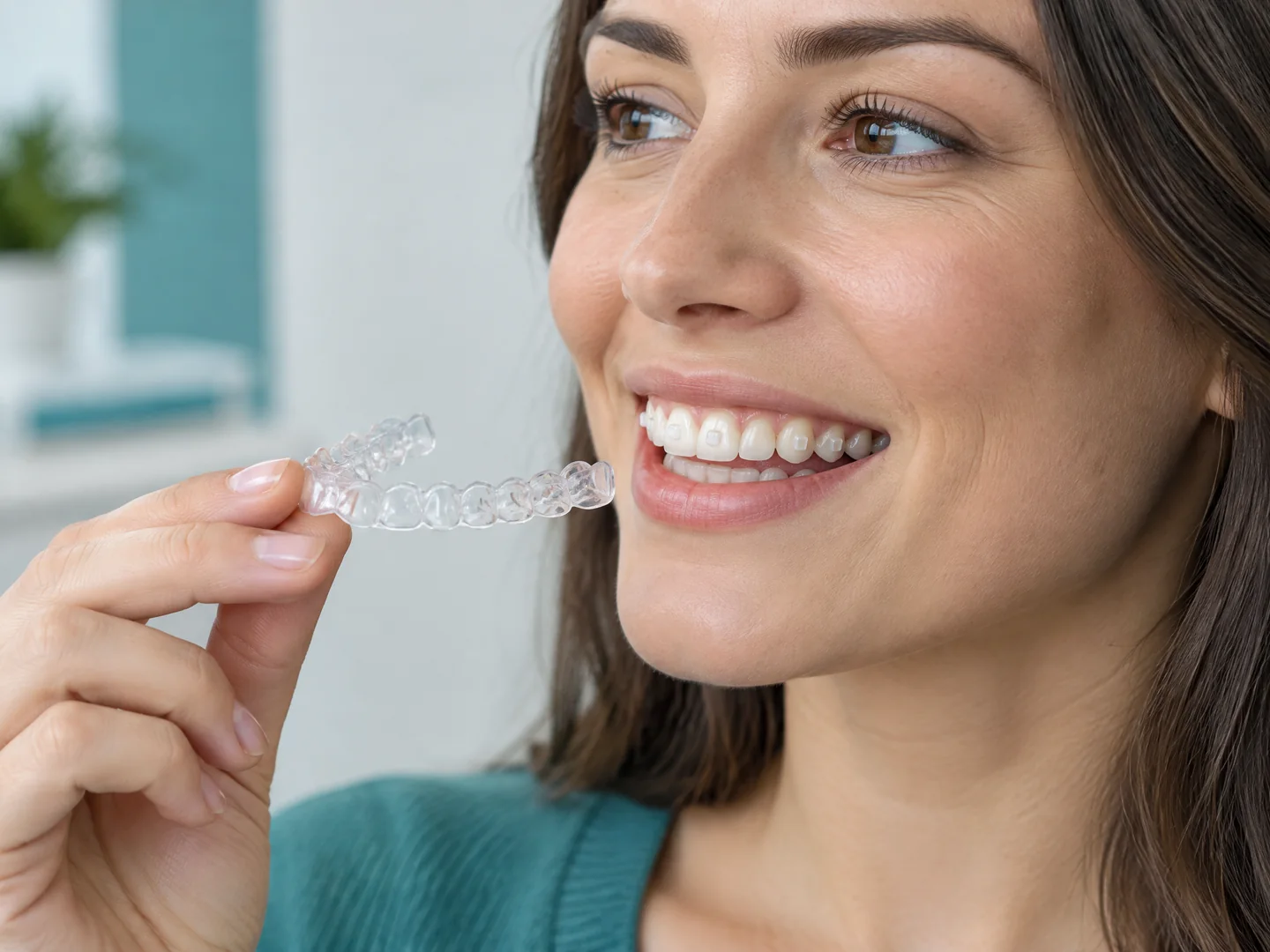
Removable does not mean maintenance-free.
Clear aligners can fit a busy routine when you plan for meals, cleaning, safe storage, and prescribed wear. Your instructions may differ, so use this as a discussion guide rather than a substitute for your treatment plan.

Clean teeth and trays
Brush and floss as directed, clean the aligners with approved methods, and insert the correct set.
Remove and store
Place trays in their case, not a napkin. Clean teeth before reinsertion when possible.
Protect wear time
Track time out of the mouth and call promptly about loss, damage, or poor seating.
Inspect and reset
Clean again, check attachments and tray fit, and wear the aligners overnight as prescribed.
Do not wait for the next scheduled check if something changes.
The treating team can tell you whether to keep wearing the current tray, return to another tray, or come in for evaluation.
A tray is lost, cracked, or warped
Do not jump forward automatically. Keep the previous tray when instructed and call for the correct next step.
The tray no longer seats fully
A visible gap between the tray and tooth can signal that tracking needs review.
An attachment comes off
Report it promptly. Whether it needs immediate replacement depends on the planned movement.
Pain or swelling is unexpected
Mild pressure can occur, but severe, worsening, or persistent symptoms deserve professional guidance.
Practical Invisalign answers
How many hours a day should I wear Invisalign aligners?
Many Invisalign plans call for 20 to 22 hours of daily wear, but your prescribing provider’s instructions control. Remove the aligners for meals, most drinks, and oral hygiene, then put them back in promptly.
Can I drink coffee while wearing Invisalign aligners?
Remove the aligners before coffee and other drinks besides plain water unless your provider gives different instructions. Colored, sugary, acidic, or hot liquids can stain the trays, trap liquid against teeth, or distort the material.
Are Invisalign attachments visible?
Attachments are small tooth-colored composite shapes, but they are not completely invisible. Visibility depends on their number, shape, location, tooth shade, and viewing distance.
Is Invisalign always faster than braces?
No. Treatment time depends on the diagnosis, movements needed, appliance suitability, biological response, attendance, and adherence. Ask for a case-specific estimate rather than assuming aligners are faster.
What should I do if I lose an Invisalign tray?
Contact the treating office promptly. Do not automatically skip ahead or return to an older tray unless the provider instructs you to do so, because the right step depends on where you are in the sequence.
Will I need a retainer after Invisalign treatment?
Yes. Retainers help limit the natural tendency of teeth to move after active treatment. Your provider should explain the retainer type, wear schedule, cleaning, replacement, and follow-up plan.
Evidence behind this guide
- MouthHealthy from the ADA: Orthodontics. Orthodontic treatment goals, appliances, adult care, and retention.
- American Association of Orthodontists: Clear Aligners. How trays move teeth, candidacy, wear, hygiene, monitoring, and timing variability.
- Invisalign: Clear Aligners—A Complete Guide. Manufacturer information about wear, removability, pressure, cost factors, and case-specific suitability.
- Invisalign: Attachments. Manufacturer explanation of attachment purpose, placement, visibility, and care.
- American Association of Orthodontists: Retainers. Retainer purpose, types, care, and individualized wear.
Editorial note: Invisalign® is a registered trademark of Align Technology, Inc. The manufacturer is cited only for brand-specific features; the article does not repeat superiority claims as neutral clinical facts. This rewrite replaces the 2017 promotional post with a decision-focused patient guide and current production links.
Bring your Invisalign questions to a Garden City consultation.
Garden City Family Dentistry provides Invisalign planning for selected adult and teen alignment and bite concerns. A consultation can review oral health, digital records, wear responsibilities, anticipated treatment steps, cost, and retention before you decide.
7110 Venoy Road, Garden City, MI 48135 · (734) 522-6340 · Serving Garden City, Westland, Dearborn Heights, Livonia, Canton, and Metro Detroit.